American Football Ball with Helmet: A Designer’s Stitch‑Test Review
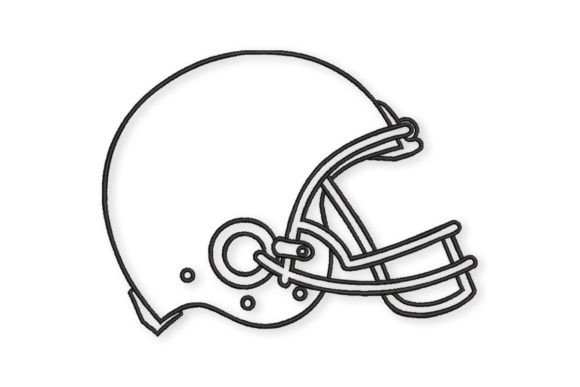
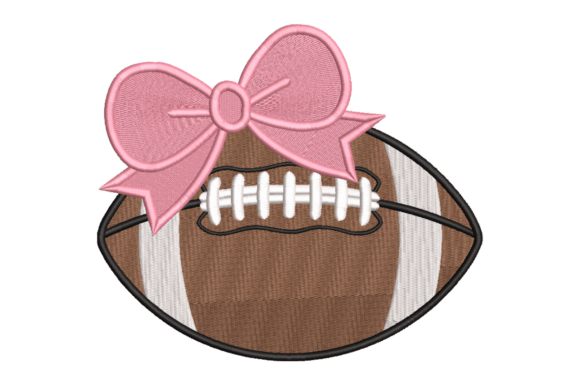
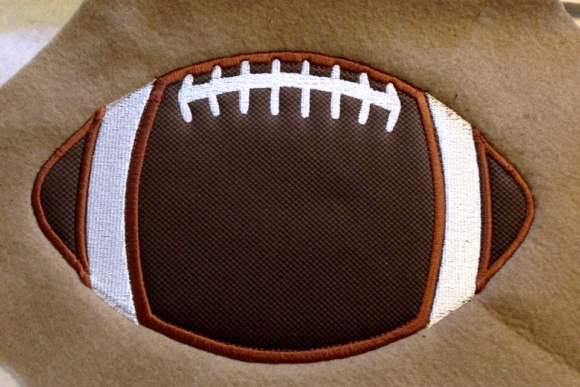
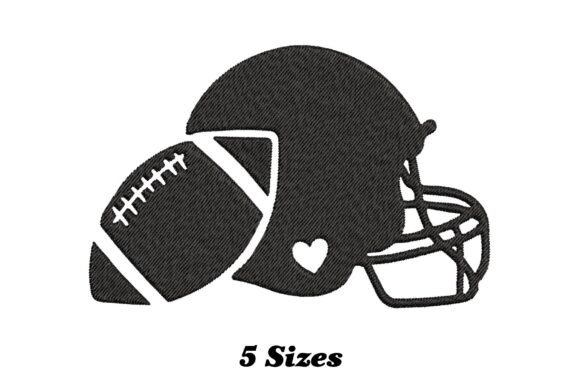
When I first opened the American Football Ball with Helmet embroidery file, my immediate impression was that this design knows exactly what it wants to be. It’s bold, sporty, and unabashedly graphic—the kind of machine embroidery design that doesn’t whisper. The football shape anchors the composition with a familiar, elongated oval, while the helmet sits on top like a crown, giving the whole piece a balanced, finished look. The layout feels intentional: the helmet isn’t just floating there; it interacts with the ball in a way that makes sense visually. There’s a subtle tension between the hard lines of the helmet and the softer curve of the ball, which keeps the eye moving. The detail level is moderate—not so dense that it feels heavy, but not so sparse that it reads as unfinished. This is a design that lands squarely in the Sports category with confidence, and it carries that energy into any project you choose to stitch it on.
The mood it creates is energetic and team‑spirited without being cartoonish. It feels like something you’d see on a custom cap at a tailgate, or on a tote bag carried to practice. It’s not trying to be hyper‑realistic; instead, it leans into a clean, illustrative style that works beautifully for machine embroidery because the shapes are defined enough to hold up at scale and still read clearly from a distance. That clarity is something I always look for in a digital embroidery file before I commit hoop time to it, and this one delivers.
How the Design Behave in Real Stitching
I tested the American Football Ball with Helmet on a medium‑weight cotton sweatshirt first—classic case scenario for a sports‑themed project. The design stitched out smoothly. The fill stitch areas on both the ball and the helmet laid down evenly without puckering, which told me the stitch density was well‑calibrated for the size I used. The satin stitch outlines, where they appeared, had a nice sheen and didn’t pull the fabric. I also ran it on a tightly woven cotton tote bag, and the result was crisp. The design held its shape well even after a few gentle tugs on the fabric, which is a good sign for a product that will carry weight—literally, in the case of a tote.
For an embroidered patch project, I stitched the design onto twill with a tear‑away stabilizer and trimmed it close. The edge definition was clean enough that the patch looked professional without extra border stitching. If you’re making patches for a craft fair or Etsy seller shop, this design is a solid candidate because the shapes are compact and the stitch paths don’t wander into fragile areas.
On a baby embroidery project—a small onesie for a football‑themed gift—I used a lightweight cut‑away stabilizer and a smaller hoop. The design scaled down reasonably well, though I did notice that the helmet’s facemask detail became a little tight. At that smaller size, the fill stitch areas still looked good, but the finer lines in the helmet grille needed a careful thread choice to avoid blending into the fabric. I ended up using a slightly contrasting thread color there to keep the detail visible. That’s just good practice with any design that has small interior elements, and this one handles it well if you pay attention to thread selection.
Where to Be Careful with This Embroidery File
Every design has its ideal use cases, and American Football Ball with Helmet is no exception. Here are a few situations where I’d recommend testing before committing to a full run:
- Small hoop sizes: If you’re working with a 4x4 hoop, the design needs to be scaled carefully. The helmet detail can get crowded. I’d suggest testing on scrap fabric first to make sure the stitch density doesn’t cause the fabric to distort.
- High‑stretch fabrics: On jersey knit or performance fabrics, the design pulled slightly when I didn’t use enough stabilizer. A medium cut‑away stabilizer solved it, but it’s worth noting that stretchy substrates require extra prep.
- Dark fabrics: The design uses several thread colors that include mid‑tones. On black or navy fabric, you’ll want to either lighten the thread palette or add a white or light underlay to keep the helmet detail from disappearing.
- Curved surfaces like caps: I tested it on a structured cap front, and the design’s width required careful centering. The helmet sat well, but the football shape extended toward the edges of the cap panel, so hoop alignment was critical.
- Frequent‑wash items: For custom apparel that will see many laundry cycles—like practice jerseys or kitchen towels—I’d use a high‑quality stabilizer and consider a slightly denser underlay to prevent distortion over time.
These aren’t dealbreakers; they’re just the kind of observations any experienced designer would make before handing a finished product to a client or listing it on a small shop platform.
What This Design Does for Product Value and Customer Trust
In my experience, a well‑executed embroidery project builds trust with buyers faster than almost any other detail on a handmade item. When a customer receives a personalized gift or a boutique product with clean, even stitching, they immediately perceive higher value. The American Football Ball with Helmet design, when stitched properly, communicates that the maker took care. The ball shape is recognizable, the helmet adds context, and the overall composition feels complete. That completeness is what separates a product that looks like a hobby from one that looks like a small business.
For Etsy seller listings, this design works well in mockups. The graphic nature of the football and helmet translates nicely to printable mockup photography. I shot a quick mockup of the design on a cream sweatshirt and the contrast was strong enough that the details popped without needing to over‑edit the photo. That helps with engagement—buyers can see exactly what they’re getting, which reduces questions and returns.
If you’re producing commercial embroidery for a local team or a sports‑themed event, this design has the right balance of detail and durability. It doesn’t try to do too much. The applique design potential is also worth noting: the helmet shape lends itself to fabric layering if you want to add texture or contrast colors without increasing stitch density too much.
Practical Designer Notes Before You Hoop
Before I commit any design to a production run, I run through a short checklist. Here’s what I’d recommend for American Football Ball with Helmet:
- Test on scrap fabric first. Stitch it out on a material similar to your final product. Check for any tension issues or shifting in the fill areas.
- Review thread color contrast. The design includes several elements that need separation. If your fabric is dark or patterned, adjust the palette to maintain definition.
- Check the stitch density. If you’re using a very lightweight fabric, the density might show through. A good stabilizer—cut‑away for knits, tear‑away for wovens—will handle it.
- Confirm hoop size. Measure the design at full size and see how it fits your hoop. Leave at least an inch of clearance around the edges for proper tension.
- Inspect small details. The helmet’s facemask and any stitching lines on the ball should be visible at your chosen size. If they blur, consider scaling up or simplifying the thread choices.
- Test in black and white mockups. This helps you see value contrast purely, without color distraction. If the design reads well in grayscale, it will read well in color.
- Compare light and dark fabric backgrounds. The same thread palette will look different on white versus black. Always test on the actual fabric you plan to use.
- Use proper stabilizer. For most cotton and poly‑cotton blends, a medium cut‑away works. For stretchy fabric or sweatshirt embroidery, go with a firmer stabilizer.
- Check licensing. Before selling finished items or digital products based on this design, confirm the usage rights. If you’re a digital product seller or creative entrepreneur, make sure your license covers commercial production.
- Stitch a final test. After all checks, run one last test on your actual product material. That’s the only way to be sure.
Final Thoughts on This Embroidery Design
The American Football Ball with Helmet is a dependable addition to any embroidery project library. It’s not trying to reinvent the wheel—it’s giving you a clean, recognizable sports motif that works across custom apparel, tote bag design, embroidered patch work, baby embroidery, and even holiday embroidery if you’re making gifts for fans. It responds well to careful preparation, and when you treat it with the same attention you’d give any machine embroidery design, it rewards you with a professional, durable result.
Whether you’re stitching for a client order, building inventory for a craft fair, or creating design assets for your digital shop, this design holds its own. It’s the kind of file that sits in your collection and becomes a reliable go‑to when the brief calls for something sporty, clear, and ready to stitch. Just remember to test it in your hoop first, check your stabilizer, and think about how the finished product will look in your customer’s hands. That attention to detail is what turns a good embroidery design into a great handmade product.