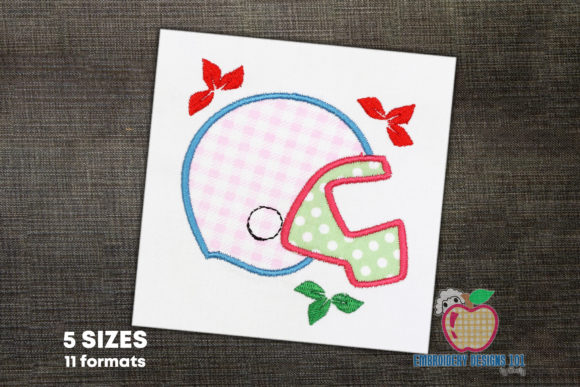
Applique Football Helmet: A Real-World Design Review
There is a distinct difference between a machine embroidery design that looks good in a digital mockup and one that performs well under the needle. As someone who spends more time hooping fabric and trimming jump stitches than browsing online catalogs, I have learned to spot the potential pitfalls of a design long before it touches the bobbin case. The Applique Design of Football Helmet landed in my review stack just as I was prepping a bulk order of custom sweatshirts for a local youth football league. Perfect timing. Let us take a practical look at what this design offers, where it excels, and where you might need to exercise some caution before adding it to your craft business inventory or Etsy seller product line.
First Impressions and Visual Personality
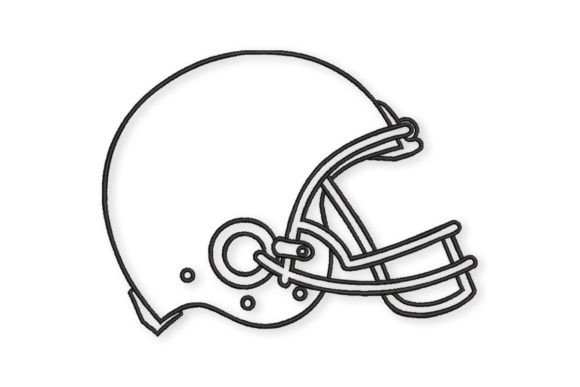
At first glance, this embroidery file strikes a nice balance between recognizable detail and clean stitch-out geometry. The football helmet shape is immediately identifiable, and the applique format gives it a dimensional, tactile quality that standard fill stitching sometimes lacks. The mood is strong, sporty, and clean. It does not try to overcomplicate the subject with unnecessary tiny elements that cause registration headaches, which is a huge plus for my production workflow.
The layout feels balanced and centered. It is a standalone motif that commands attention without being overly aggressive or cartoonish. For small shop products, this kind of visual personality is gold. It feels appropriate for everything from a preschooler first jersey to a coach commemorative tote bag design. It sits firmly in the Sports category, but it carries a level of polish that makes it suitable for boutique branding and personalized gifts. The applique elements add a layer of texture that mimics a sewn-on patch, giving the finished product a premium, handcrafted feel that customers trust.
Real-World Stitching and Performance
I put this machine embroidery design through several real-case scenarios to see how it holds up in a production environment.
Scenario 1: Custom Apparel (Sweatshirts and T-shirts)
I started by stitching this out on a heavy 50/50 blend sweatshirt. The applique process was straightforward. The tack-down stitch was clearly defined, and the placement guide was easy to follow. Using a medium-weight cut-away stabilizer, the design sat flat without any puckering. The satin stitch borders around the helmet panels came out crisp and even. On a standard cotton t-shirt, I switched to a tear-away stabilizer and a lightweight fabric backing to avoid distorting the knit. The result was a professional, embroidered patch look that felt durable. This is exactly the kind of performance you want for custom apparel orders where consistency matters.
Scenario 2: Tote Bags and Home Decor
Switching gears, I tested it on a structured canvas tote bag. This is where the Applique Design of Football Helmet really shines. The thicker fabric holds the satin stitch density beautifully, and the applique fabric pops against the canvas. If you are an Etsy seller looking to expand your product line beyond clothing, this design translates perfectly into pillow covers, duffel bags, or even a custom kitchen towel for the sports fan. The washability factor is high here because the satin stitch edges are well secured. This design feels like it was built to last through repeated use and washing, which is a critical factor for customer satisfaction and product value.
Scenario 3: Caps and Curved Surfaces
This is the acid test for any design. A helmet shape on a curved cap face can be tricky. You need to respect the hoop size limitations of a standard cap driver or a curved hoop frame. The design layout works well as a front panel logo. Because it is an applique, you save some stitch count compared to a fully filled digitized design, which reduces the weight on the front of the cap. However, I strongly advise testing this on a practice cap first. Check the registration of the satin stitch on the curved surface to ensure the applique fabric does not shift. If you are making embroidered patch hats, this design is a strong contender.
Where to Apply Caution
Let us talk about fabric constraints. Because this is an applique design, you are introducing a layer of fabric on top of your base garment. On very thin or stretchy fabrics like lightweight t-shirts or performance dri-fit wear, this can cause drag or puckering if not properly stabilized. Always use a fresh, sharp needle suitable for the applique fabric and the base material. A ballpoint needle works best for knits, while a sharp needle is better for wovens.
Dark fabrics also require a thoughtful approach to thread colors. The design relies on contrast. If you stitch a dark helmet on a black sweatshirt, you will lose the dimensionality of the applique design. Consider using a lighter thread color for the satin stitch border or a contrasting applique fabric to maintain visual separation. Test your thread colors on the actual fabric to see how they interact with the texture and color of the base garment.
Washability is another factor. Applique edges can fray over time if the stitch density of the satin stitch is too loose or if the garment is aggressively washed. I recommend a slightly denser satin stitch setting if your machine allows editing, or use a high-quality, tightly woven fabric for the applique piece itself. Pre-washing your applique fabric can also prevent shrinkage issues later.
Commercial Viability and Customer Appeal
From a business perspective, this digital embroidery file is a solid asset for your design assets library. It fits neatly into the Sports category and appeals to a massive market: youth sports, school teams, fantasy football leagues, and casual fans. The finished product screams handmade quality and personalized gift. It elevates a plain sweatshirt or tote bag into a boutique item that commands a higher price point at craft fairs or in your Etsy shop.
For small business owners, the design simplicity is its strength. It allows for easy customization with team colors or monograms without overwhelming the canvas. Customers are more likely to trust a seller who offers clean, professional-looking embroidery versus overly complex designs that do not stitch out cleanly. This design gives you a reliable foundation for bulk orders and custom apparel projects. It also works beautifully for holiday gifts, baby embroidery for sports-themed nurseries, and personalized sweatshirt embroidery for adults and kids alike.
Practical Designer Notes Before You Stitch
Before you load this into your machine and start selling finished items, here are a few quick checks that every experienced designer should run:
- Hoop size and file formats: The product description indicates it comes with multiple embroidery file formats. Confirm your machine can read the files and check the required hoop size. This design likely needs at least a 4x4 or 5x7 hoop. Do not assume it will fit a small hoop without resizing.
- Test run on scrap fabric: Always stitch a test on scrap fabric using the exact fabric and stabilizer you plan to use for the finished product. This saves time, thread, and fabric in the long run. Pay close attention to the registration of the satin stitch borders.
- Thread colors and contrast: Review the thread color stops in the design. Does the design call for a specific order? Plan your applique fabric and thread colors to maximize contrast. Try a black and white mockup to check the overall balance of the design.
- Licensing and commercial use: As a craft business owner, confirm whether the designer license covers commercial use for physical products. If you plan to sell the digital file itself, you need an extended commercial or resale license. Respect the terms to protect your business.
- Stitch density review: If your software allows, check the satin stitch density. A density of 4.0 to 5.0 mm is standard for applique borders and ensures durability. If the density is too low, the edges may not be fully covered.
- Scalability: If you plan to resize the design for different products, test it first. Resizing can change stitch density and distort the satin stitch borders. Always test a scaled version before committing to a production run.
The Applique Design of Football Helmet is a well-structured, versatile machine embroidery design that holds its own in a production environment. It bridges the gap between a sports-centric motif and a high-quality handmade product. Whether you are stitching a batch of custom apparel for a local team, creating a personalized gift for a sports fan, or curating your Etsy shop product line, this embroidery file delivers the professional results that keep customers coming back. With careful attention to fabric choice, stabilizer use, and thread contrast, you can confidently add this design to your active rotation and produce finished products that stand the test of time.