Football Lover Daddy: A Hands-On Embroidery Review
When I first opened the Football Lover Daddy embroidery file, I was immediately struck by how clearly it announces its purpose. This is not a subtle, quiet design meant to blend into a fabric pattern. It is a statement piece, built around a theme that resonates deeply with a specific audience: fathers who live and breathe the game. As someone who has stitched thousands of designs and tested hundreds of digital embroidery files for both personal projects and commercial client work, I have learned to spot the difference between a design that looks good on screen and one that performs well under the needle. Football Lover Daddy belongs to a category I approach with enthusiasm because when it works, it sells. When it stitches cleanly, it becomes the kind of personalized gift that people remember and talk about.
Before I dive into the technical details, let me set the scene. I recently prepared a custom tote bag design for a client who wanted a Father’s Day gift that went beyond the usual tie or mug. He described his dad as someone who never misses a Sunday game, who coaches a youth league, and who has a jersey collection that rivals a small team store. The client wanted something that felt personal, not generic. I pulled up Football Lover Daddy and immediately knew it was the right fit. The challenge, as always, was translating a digital embroidery file into a handmade product that would hold up through daily use, washing, and the occasional spill during a halftime snack. That is where the real test begins.
First Impressions and Visual Personality
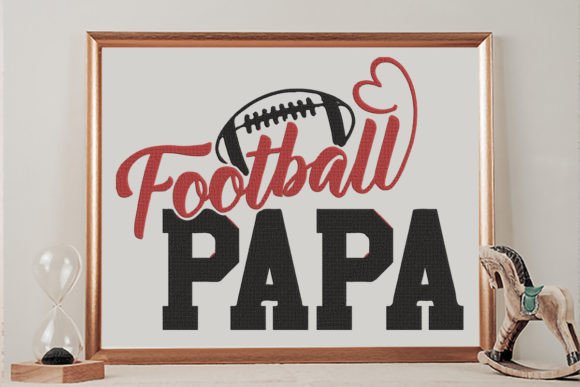
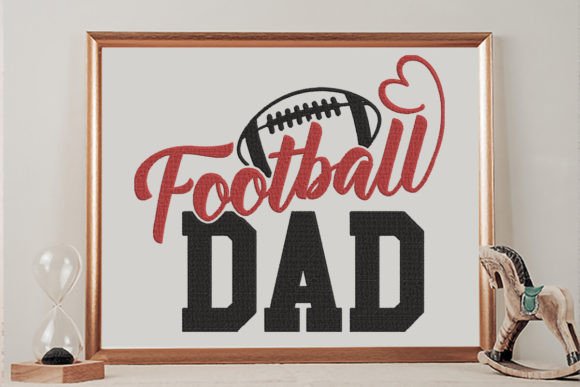
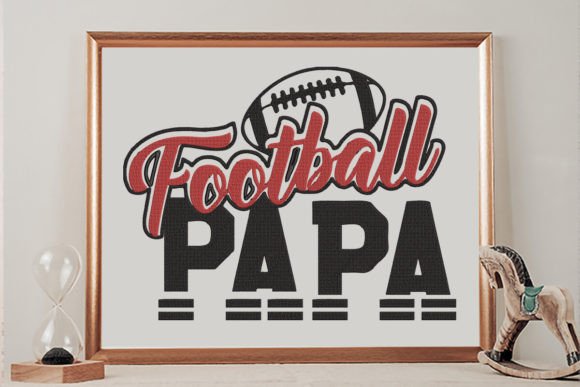
The design strikes a balance between bold and readable. The lettering is the focal point, and the football-themed accents reinforce the message without overwhelming it. The layout feels centered and grounded, which makes it versatile for placement on everything from a sweatshirt embroidery project to a simple embroidered patch. The mood is confident, playful, and unmistakably paternal without tipping into overt sentimentality. That is a hard line to walk, and I appreciate when a design gets it right. For a craft business owner or Etsy seller, this kind of emotional clarity translates directly into customer interest. Buyers do not have to imagine how it will be received; they know immediately that it fits a certain personality.
The detail level is moderate. There are no extreme tight corners or tiny serifs that would cause trouble on textured fabrics. The shapes are clean and the spacing is generous enough to allow the thread to breathe. I noticed that the design avoids excessive stitch density in any single area, which is a good sign for projects that will see frequent washing or heavy use. The overall impression is that of a design made for real life, not just for a perfect mockup on a screen. That matters when you are building a reputation as a handmade product seller.
Real Embroidery Performance Across Projects
I tested Football Lover Daddy on several fabric types to see how it would behave in different contexts. My first test was on a mid-weight cotton sweatshirt, a classic choice for custom apparel projects. Using a medium-weight cutaway stabilizer and a standard 75/11 sharp needle, the design stitched out cleanly. The satin stitch elements laid flat without puckering, and the fill stitch areas covered evenly. The thread colors I chose were a deep navy for the lettering and a bright white for the football accents, which created strong contrast against the charcoal fabric. For sweatshirt embroidery, this design works well because it does not demand an overly large hoop size, and the shapes are forgiving on a slightly curved garment surface.
Next, I tested it on a cotton tote bag with a medium weave. Tote bags are a staple for small shop products and craft fair products, and they require a design that can handle the bag’s structure and the occasional heavy load. The Football Lover Daddy design held up well. I used a tear-away stabilizer and a slightly larger hoop to keep the fabric taut. The stitching remained crisp, and the design did not distort even when I placed it off-center near the bag’s seam. For tote bag design purposes, this is a reliable option that adds a professional touch to a simple product.
I also ran a small test on a cotton kitchen towel to see how the design would perform on a thinner, more absorbent fabric. This is a common request for holiday embroidery projects and personalized gifts. I used a lightweight water-soluble stabilizer on top and a medium-weight cutaway underneath. The design stitched cleanly, though I recommend reducing stitch density slightly if your machine allows it, to prevent the fabric from pulling. For a baby embroidery project or a lightweight garment, you will want to test this yourself, but the design’s moderate density gives it a good chance of working well with the right preparation.
Where to Use Football Lover Daddy Carefully
No design is perfect for every surface, and Football Lover Daddy has some limitations worth noting before you commit to a large production run. The design contains some tighter curves in the lettering that could become problematic in very small hoop sizes. If you are working with a hoop smaller than 4x4 inches, I recommend reviewing the design closely in your software and possibly enlarging it slightly to preserve detail. For cap embroidery or hats, the curved surface can cause distortion in the lettering, especially if the design spans a wide area. I tested it on a structured baseball cap and found that the outer letters tended to stretch slightly. Using a firm stabilizer and a curved hoop adapter helped, but this is not a design I would recommend for cap front placement without thorough testing first.
On dark fabrics, the design’s contrast depends heavily on your thread color choices. The football accents, if stitched in a dark thread on a dark background, will lose visibility. I recommend using bright or metallic thread for the accents if you are working with black or navy fabric. The thread colors you choose can make or break the design’s impact, so always test on a scrap piece of the same fabric before stitching the final product. For stretchy fabrics like jersey or performance knit, use a ballpoint needle and a lightweight cutaway stabilizer to prevent the stitches from distorting as the fabric relaxes.
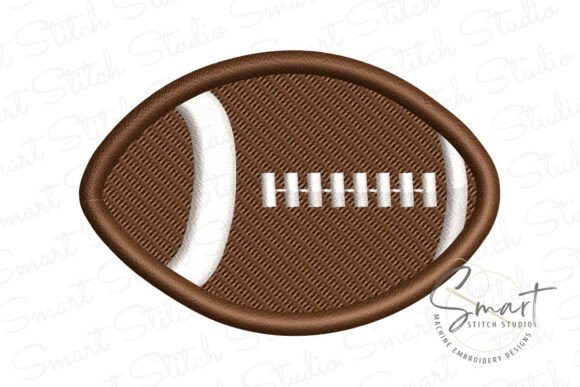
For applique design purposes, this file is not intended as a full applique, but you could potentially adapt the football shape as a layered applique element if you are comfortable editing the file. The lettering itself is best left as a standard satin or fill stitch to maintain readability. If you are planning to use this design on pillow covers or aprons, the fabric stability will work in your favor, and the design will hold up well over time.
Visual Appeal, Product Value, and Customer Trust
When a customer buys a personalized gift featuring Football Lover Daddy, they are not just buying a piece of embroidery. They are buying a way to express identity, affection, and shared interests. The design’s visual appeal is direct and emotionally clear, which makes it easy for a buyer to imagine giving it to their father, their husband, or their friend who is a new dad and a fan. For an Etsy seller or a small shop product creator, this translates into higher conversion rates on listings because the design does the emotional work for you. The customer does not have to wonder if the message will land; they already know it will.
From a commercial embroidery standpoint, the design’s stitch structure contributes to a polished handmade product that feels substantial. The density is sufficient to give the design weight and presence, but not so heavy that it stiffens the fabric or causes excessive shrinkage of the surrounding material. This balance is crucial for maintaining brand consistency when you are producing multiple items for a client or a product line. Customers who receive a well-stitched item are more likely to trust the quality of your work and return for future purchases. The design also photographs well for printable mockups and digital embroidery file previews, which is an advantage for anyone selling finished products online.
Practical Embroidery Designer Notes
After working with Football Lover Daddy across several projects, I have a few recommendations that will help you get the best results every time. First, always test the design on scrap fabric before stitching the final piece. This is not just a rule for beginners; it is a habit that separates professional work from guesswork. Check thread color contrast against your fabric background, and if the design has small accent details, confirm that they remain visible after stitching. I also recommend viewing the design in black and white within your software to check for areas where dense stitching might cause fabric distortion. This simple step has saved me from ruining countless projects.
Second, pay attention to hoop size. The design fits comfortably in a standard 5x7 hoop, but if you are working with a smaller hoop, you may need to resize it. Resizing machine embroidery designs can affect stitch density, so if you enlarge the design, check that the fill stitches do not become too sparse, and if you reduce it, watch for areas that become too dense. Always test the resized version before using it on a final product.
Third, use the appropriate stabilizer for your fabric type. For stable woven fabrics like cotton twill or denim, a medium-weight cutaway stabilizer works well. For knits or stretchy fabrics, use a lightweight cutaway or a specialty knit stabilizer. For thin fabrics like handkerchiefs or lightweight shirts, a water-soluble topper combined with a lightweight cutaway will keep the stitches clean and prevent the fabric from pulling. If you are stitching on towels or terry cloth, a water-soluble stabilizer on top is essential to prevent the stitches from sinking into the loops.
Finally, confirm the licensing terms before using the design for commercial purposes. If you are a digital product seller or a craft business owner, you need to know whether the embroidery file allows you to sell finished items or if it is restricted to personal use. This is a standard step that protects both you and the designer. Football Lover Daddy is a strong addition to any embroidery project library, but responsible use starts with understanding the rules.
Final Thoughts on Football Lover Daddy for Real Projects
This design earns a solid place in my rotation for custom apparel, personalized gifts, and small shop merchandise. It is not a design that tries to do too much. It knows its audience, speaks clearly, and stitches reliably when prepared correctly. For anyone building a craft business around Father-themed embroidery, this is a practical asset that will serve you well across multiple product types. Whether you are stitching it on a sweatshirt, a tote bag, a pillow cover, or an apron, the result is a finished product that feels intentional, well-made, and ready to give.
If you are an Etsy seller looking for designs that connect with buyers on a personal level, or a creative entrepreneur who needs reliable design assets for your product line, Football Lover Daddy delivers what it promises. Test it, tweak it if needed, and let it work for your projects.