Game Day: An Embroidery Designer’s Review for Branded Merch
When I first opened the Game Day machine embroidery design file, I expected a straightforward football silhouette. What I found instead was a design that, with the right strategy, can serve small businesses far beyond the sports field. As an embroidery designer who has reviewed hundreds of digitized files for branded merchandise, I’ve learned to look past the obvious theme and ask one practical question: Does this embroidery file create value for a business’s finished product? For Game Day, the answer is a careful yes—if you pair it with the right apparel, patch size, and brand identity.
This review is written for embroidery shops, apparel decorators, Etsy sellers, crafters, and small business owners who want to use Game Day on uniforms, caps, tote bags, aprons, and embroidered patches. I’ll break down its first impression, real business use cases, caution zones, brand impact, and the hands-on production notes every decorator needs before stitching.
First Impression: Bold, Athletic, and Surprisingly Versatile
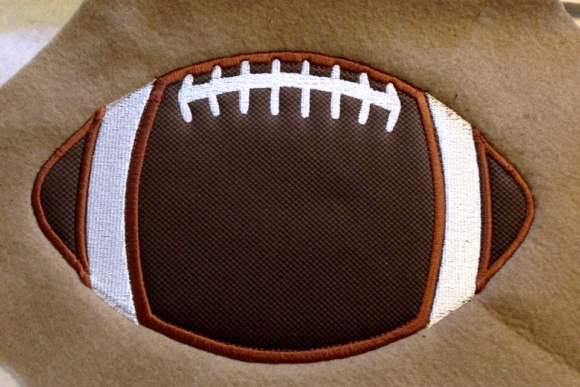
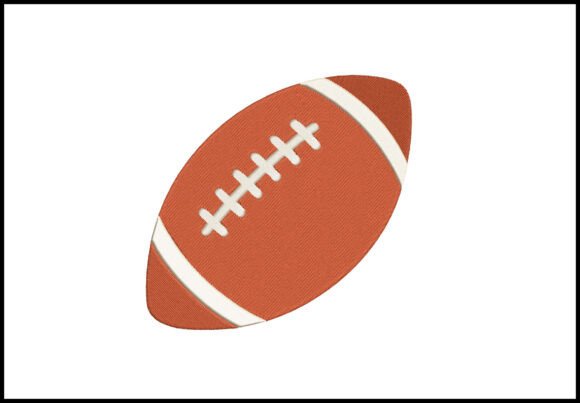
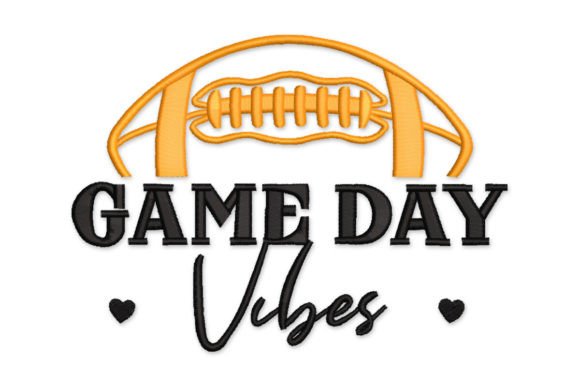
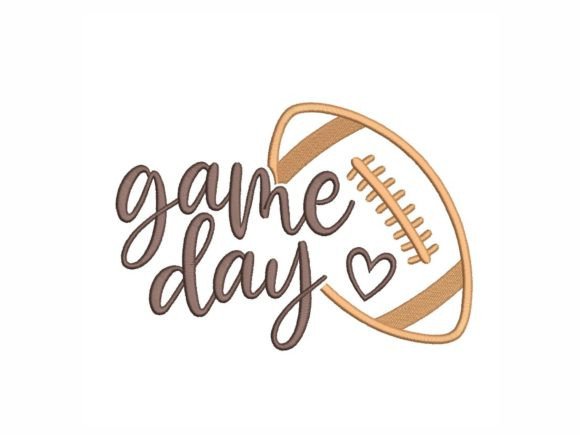
Game Day presents itself as a clean, bold American football ball design. The silhouette is recognizable without being overly detailed, which is a strong start for any commercial embroidery project. From a business perspective, this design feels professional and energetic—not rustic or handmade in a casual way, but polished enough to represent a brand on custom apparel.
What makes Game Day interesting for small business merch is its balanced visual weight. The football shape is iconic without requiring fine text or complex fills. That simplicity gives it flexibility: it can act as a primary logo accent, a sleeve detail, or a tote bag design mark. For a café, bakery, or creative studio that wants an athletic or community-driven vibe, Game Day reads as approachable and confident. It is not overly decorative, which means it will hold up in repeated production runs.
However, I recommend testing this digital embroidery file in black and white first. The solid areas of the football can hide thread contrast issues. If your brand uses light thread on dark fabric, verify that the shape remains crisp. First impressions matter, and a muddy stitch-out will hurt brand identity at the point of sale.
Where Game Day Shines in Real Business Use
Over the past several years, I have watched small businesses adopt machine embroidery designs for everything from staff uniforms to product packaging accents. Game Day fits comfortably into several real-world applications.
Embroidered Patches for Branded Merchandise
Embroidered patches are one of the strongest uses for this design. The football shape works well as a standalone patch on work shirts, aprons, and tote bags. A local pet brand or florist could use Game Day as a playful community patch without needing to match a full uniform. The stitch density is moderate enough that patches remain soft and pliable, which matters for items that get folded or stuffed into customer bags.
When ordering patches, confirm your hoop size and check that the design does not distort on twill or felt. I always suggest stitching a test patch on your actual fabric before cutting. A crisp patch elevates the finished product and communicates professionalism to customers.
Chest Logo Accents and Sleeve Details
For small businesses that want a subtle brand mark, Game Day as a chest accent is effective. A coffee shop or handmade product brand could stitch it on the left chest of barista aprons or on the sleeve of a crew shirt. At this size, the design reads as a symbol of team spirit rather than a literal football. That shift in perception is valuable: it turns a sports motif into a community badge.
I recommend testing Game Day at a smaller size—around 2 to 3 inches wide—to ensure the shape remains identifiable. The embroidery file handles scaling reasonably well, but thick outlines can close up if reduced too much. Always review a printable mockup with your client before production.
Cap Embroidery and Curved Surfaces
Cap embroidery is notoriously tricky. Game Day’s bold silhouette can work on a cap front if you position it carefully. The design does not contain tiny lettering or intricate fills, which helps it survive the curve of a brim. For a small business selling branded caps at events or as employee gear, Game Day offers a clean, recognizable mark.
However, I advise against placing it directly on the center seam of a structured cap. The football shape needs a flat or slightly curved surface to read correctly. Test on a cap blank before offering it to a client. Use appropriate stabilizer and avoid high stitch density on thick fabrics.
Apron Embroidery and Tote Bag Design
For apron embroidery, Game Day works best as a centered chest design or a lower corner accent. A bakery or florist could stitch it on canvas aprons to create a uniform look that feels both sporty and approachable. On tote bag design, the football shape stands out on natural cotton or linen. The bold outline prevents the design from getting lost in the fabric texture.
I have found that customers respond well to tote bag design that uses a single recognizable icon. Game Day provides that icon without requiring explanatory text. It becomes a visual shorthand for the brand’s energy.
Where to Use Game Day with Caution
Every embroidery designer knows that not every design works everywhere. Game Day has a few zones where careful planning is essential.
- Small patch sizes below 1.5 inches: The football shape loses detail and can become a blob. Stick to larger patches or chest accents for clarity.
- Cap fronts with heavy structure: As mentioned, curved surfaces can distort the silhouette. Always test on your specific cap style.
- High stitch density on textured fabric: If your fabric has a loose weave or heavy texture, the dense areas of the design may pucker. Use a cutaway stabilizer and reduce density if needed.
- Dark uniforms with dark thread: Game Day relies on shape recognition. Without strong thread contrast, the design can disappear. Choose thread colors that pop against the garment color.
- Items that need frequent washing: The bold fills may shrink or distort over time if not properly stabilized. Advise clients on care instructions for custom apparel.
How Game Day Affects Brand Identity and Customer Trust
When a small business chooses a machine embroidery design for merchandise, they are making a statement about their brand. Game Day projects energy, community, and approachability. It is not a luxury or elegant motif, but it is not trying to be. For a local pet brand, creative studio, or handmade product label, this design can build recognition and customer trust by associating the business with positive, active values.
Branded merchandise that uses Game Day consistently across staff uniforms, embroidered patches, and tote bags creates visual consistency. Customers notice when a business invests in quality custom apparel. That investment raises the product value of every item sold or given away.
I have seen small businesses use similar bold icons to transform a simple apron into a conversation piece. Game Day can do the same. The key is to pair it with solid production practices: test your thread colors, check spacing, and use proper stabilizer to ensure each finished product looks professional.
Practical Designer Notes for Production
Before you stitch Game Day for a client or your own small business merch, here are the steps I follow for every new machine embroidery design.
- Test in black and white first. Verify that the design reads clearly without color distraction. If the shape is muddled in monochrome, it will not improve with color.
- Check at small patch size. Confirm that the design remains identifiable at 2 inches wide. If not, advise the client on a larger placement.
- Review thread color contrast. Light thread on dark fabric and dark thread on light fabric—both need to pop. Avoid low-contrast combos that hide the shape.
- Inspect spacing and underlay. Ensure that the fill areas do not overlap outlines. Poor spacing leads to thread breaks and uneven texture.
- Confirm hoop size. Game Day likely fits a standard hoop, but verify before production to avoid repositioning errors.
- Test on real fabric. Every fabric behaves differently. Run a test stitch on the exact material you plan to use—cotton, twill, canvas, or polyester.
- Use proper stabilizer. Cutaway stabilizer for soft fabrics, tearaway for stable ones. Adjust based on stitch density and fabric texture.
- Create a mockup for client approval. A printable mockup helps the client visualize the final finished product and prevents misunderstandings.
- Compare beside other design assets. If your brand uses other logos or icons, ensure Game Day complements them in scale and style.
- Confirm commercial licensing. Before using any digital embroidery file for commercial embroidery, verify that your license covers small business merch and branded merchandise. This step protects you and your client.
Final Thoughts on Game Day for Small Business Merch
Game Day is a solid machine embroidery design for any small business that wants to project energy, community, and professionalism. It works well on embroidered patches, chest accents, cap fronts, aprons, and tote bags. Its bold silhouette handles scaling reasonably well, though I recommend testing at smaller sizes before committing to production.
For embroidery shops and Etsy sellers, this design offers a quick path to custom apparel that feels intentional and branded. The football shape may seem niche, but in practice, it reads as a symbol of teamwork and local pride—values that any café, bakery, florist, or creative studio can adopt.
As always, test your thread colors, check your hoop size, and invest in quality stabilizer. The difference between a good finished product and a great one is in the preparation. Game Day, when produced with care, will serve your business well across merchandise, uniforms, and branded giveaways.
Stitch smart, and let the design speak for itself.