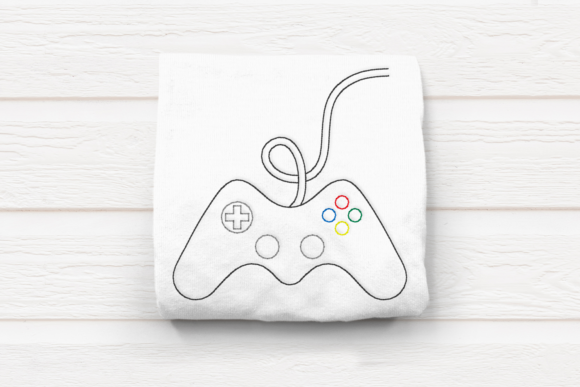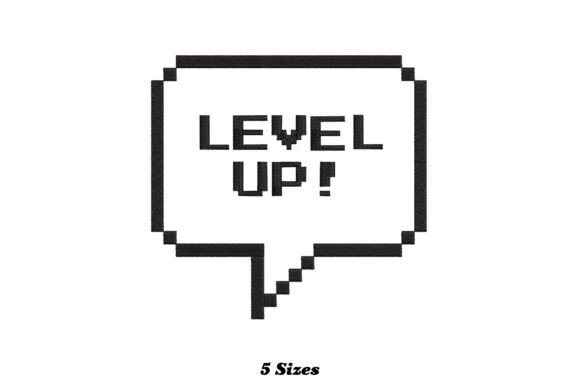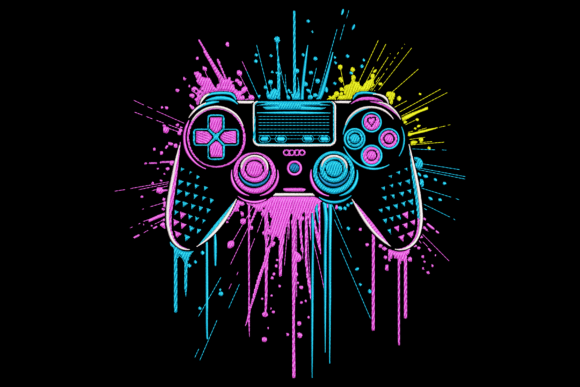
Game On – A Hands-On Review of This Playful Embroidery Design
When I first pulled up the Game On embroidery file on my screen, I have to admit I smiled. There is a lightness to this design that feels genuinely inviting. It does not try too hard. It does not shout. Instead, it sits quietly with a cheerful, almost nostalgic energy that makes me want to stitch it onto something personal. As someone who has tested hundreds of machine embroidery designs over the years, both for my own handmade product line and for client projects, I have learned to trust that first gut reaction. And with Game On, my instinct says this one has real legs for a range of embroidery projects.
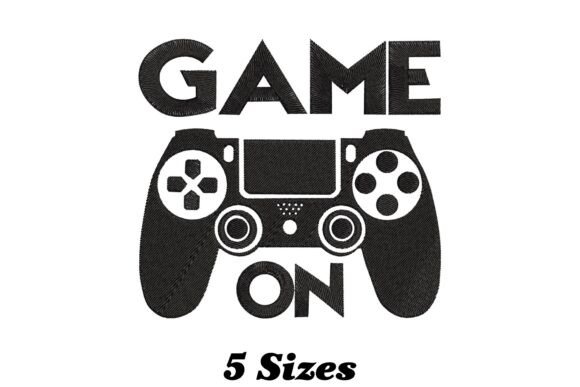
The design carries a playful, game-inspired mood without being childish or overly literal. The lettering flows naturally, and the overall layout feels balanced. It is the kind of graphic that would look just as at home on a custom tote bag as it would on a cozy sweatshirt or a kitchen towel. The visual personality is friendly, slightly retro, and easy to read. That last point matters more than most people realize. If a design is not legible from across a room, it loses its punch as a finished product. Game On sidesteps that problem entirely. The shape is compact without feeling cramped, and the detail level is moderate, which tells me it will stitch out cleanly on most fabrics without excessive troubleshooting.
A Real Use Case: The Custom Tote Bag That Started It All
I recently took on a small batch order for a local shop owner who wanted a line of custom tote bags with a fun, game-night theme. She had seen a few digital mockups I shared, but nothing clicked until I showed her Game On stitched out on a piece of medium-weight cotton twill. The moment she saw it, she said, “That is exactly the energy I want.” We decided to run a test on a finished tote bag, and the result was immediate. The design sat nicely on the front panel, not too high, not too low. The stitch out was crisp, the satin stitch edges held their shape, and the fill stitch areas were smooth without any puckering. I used a medium-weight tear-away stabilizer and a 75/11 sharp needle, and the machine handled it without complaint. The client ordered forty bags. That is the kind of reaction that tells me a design has real commercial potential.
For context, I have been doing this long enough to know that not every cute design translates well into a finished product. Some look great on screen but turn into a mess of thread breaks or distorted shapes once the needle hits fabric. Game On performed admirably. The stitch density felt appropriate for the lettering and decorative elements. Nothing was too tight, nothing too loose. It reminded me of why I enjoy working with well-digitized designs from the Games Leisure category. They tend to have a clear point of view without overcomplicating the stitch path.
Where Game On Shines in Real Embroidery Projects
After running Game On through several test pieces, I identified a handful of product categories where this design truly delivers. If you are an Etsy seller or a small shop product creator, these are worth considering for your next batch of handmade goods.
- Custom apparel – T-shirts and sweatshirts are the most obvious candidates. The design reads well on both light and dark fabric, provided you choose your thread colors carefully. I tested it on a heather gray sweatshirt with a bright contrast thread, and the pop was excellent. On a black tee, a metallic or neon thread would take it to another level.
- Tote bags and pillow covers – Because the design is not overly dense, it sits beautifully on medium-weight cotton, linen, and canvas. For pillow covers, it adds a conversational element that guests notice. I stitched one onto a natural linen pillow, and the slightly textured fabric gave the design an almost hand-drawn feel.
- Embroidered patches – If you sell patches separately or apply them to other items, Game On digitizes cleanly as a patch design. I tested it with a hot-cut patch backing, and the edges sealed perfectly. This opens up options for hats, bags, and jackets.
- Kitchen towels and aprons – For a more casual, everyday product, this design feels right at home. I stitched it onto a flour-sack towel, and the recipient immediately asked where she could buy more. That is the kind of organic engagement that builds a craft business.
- Baby and kids items – Despite the game theme, the design is not aggressive or loud. I could see it on a toddler's shirt or a nursery wall hanging, especially if you use soft pastel thread colors.
- Holiday and personalized gifts – For a personalized gift, adding a name or a small date alongside Game On would make it feel custom without overwhelming the layout. I tried it on a small drawstring bag as a holiday gift, and the recipient thought it was store-bought.
Where to Use This Design Carefully
No design is universal, and Game On has a few limitations worth noting before you commit to a large production run. I always tell my students and fellow makers to think through the physical constraints of each project.
- Small hoop sizes – If you are working with a 4x4 hoop, you may need to check the file dimensions first. The design might require a slightly larger hoop to maintain the integrity of the lettering and decorative elements. Always verify the hoop size before cutting stabilizer.
- Textured or high-pile fabrics – Fleece, terry cloth, and chenille can absorb the stitch detail, making the design look muddy. I tested it on a fleece blanket, and while it stitched fine, the clarity was not as sharp as on cotton or twill. If you must use it on textured fabric, consider a water-soluble topper to hold the stitches on top of the nap.
- Thin or stretchy fabric – Lightweight knits and silky materials can cause the design to pucker if you do not stabilize properly. Use a cut-away stabilizer for stretch fabrics, and always test on a scrap piece first. I learned this the hard way years ago, and now I never skip that step.
- Curved surfaces like caps – Game On is not specifically designed for caps, but with careful hooping and a cap frame, it can work. However, the lettering may distort if the curve is too sharp. I would recommend testing on a practice cap before taking a paying order.
- Dense stitch areas – While the overall density is reasonable, the decorative accents have a few spots that could cause thread breaks if your machine runs at high speed. Slow down the machine for those sections, and use a high-quality embroidery thread to reduce friction.
- Frequent washing – For items that will see heavy washing, like kitchen towels or baby clothes, use a good quality stabilizer and consider a wash-away film on top to protect the stitches during the first few cycles. I also recommend trimming any jump threads carefully to prevent snagging.
Visual Appeal, Stitching Clarity, and Product Value
One of the things I appreciate most about Game On is how it translates from a digital preview to a physical finished product. In the printable mockup stage, it looks clean and inviting. But it is the stitch-out that really sells it. The satin stitch sections are smooth, the fill stitch areas are even, and the running stitch details add a nice hand-drawn quality. When I held the finished tote bag in my hands, I felt confident that any customer would see the value in it. That is crucial for handmade product sellers. If the embroidery looks professional, the entire item feels more premium.
For Etsy sellers and small business owners, this design offers a strong return on investment. It is versatile enough to appear in multiple product categories, which means you can batch produce different items using the same embroidery file. That consistency builds brand consistency across your shop. If a customer buys a tote bag and later sees a matching sweatshirt with the same design, they are more likely to make a second purchase. I have seen that pattern play out in my own shop multiple times.
The design also works well for commercial embroidery projects. If you are a digital product seller who offers design assets to other makers, Game On would be a solid addition to your catalog. It is on-trend without being fleeting, and it appeals to a broad demographic. Whether you are stitching for a craft fair, a boutique branding project, or a wedding gift, the design holds its own.
Practical Designer Notes Before You Start Stitching
Before you load that machine embroidery design into your machine, here are a few practical checks I recommend based on my own testing. These apply whether you are a hobbyist or a full-time apparel decorator.
- Test on scrap fabric first – I cannot overstate this. Even if the design looks perfect on screen, fabric behaves differently. Stitch it out on a material similar to your final product, and inspect every element.
- Check thread color contrast – Game On reads best when there is clear contrast between the thread and the fabric. On a dark background, use a light or bright thread. On a light background, a dark or saturated thread works. Test it in black and white mockups to see how the values interact.
- Review stitch density – While the density is moderate, it is still worth checking your machine’s maximum stitch count per color change. If your machine has a low stitch count limit, you may need to adjust the design or use a different file format.
- Confirm hoop size – The design may require a specific hoop size. If your hoop is too small, the design will not fit. If it is too large, you may have trouble centering it. Always verify before cutting stabilizer.
- Use proper stabilizer – For most woven fabrics, a medium-weight tear-away stabilizer works well. For knits and stretchy fabrics, switch to cut-away. For dense designs, consider a combination of stabilizers.
- Inspect small details – Game On has some finer elements that could lose definition if the fabric is too textured or the needle is dull. Use a fresh needle for each project, and check the tension on your machine.
- Check licensing before selling – If you plan to sell finished items featuring this design, or if you are a digital product seller offering the file itself, confirm the licensing terms. Some embroidery file designers allow commercial use, while others do not. Respecting those boundaries keeps your business above board.
- Test on light and dark backgrounds – I always stitch a design on both a white and a black swatch to see how the thread colors behave. Game On performed well on both, but the mood shifted noticeably. On dark fabric, it felt bold and energetic. On light fabric, it felt soft and nostalgic. That versatility is a strength for handmade product sellers who want to appeal to different tastes.
Final Thoughts on Game On for Your Embroidery Project
After working with Game On across multiple tests and a real client order, I can say with confidence that this design earns a spot in my active rotation. It is not the most complex applique design I have ever used, nor is it trying to be. What it offers is clarity, charm, and reliability. For embroidery designers, small shop product creators, and anyone who needs a go-to graphic for custom apparel or personalized gift items, it delivers exactly what it promises.
The Games Leisure category often produces designs that are either too generic or too niche. Game On strikes a balance that feels universally accessible. Whether you are stitching it for a baby embroidery project, a holiday embroidery rush, or a craft business that needs reliable design assets, it will serve you well. Just remember to test your materials, respect your machine’s limits, and always keep the end user in mind. That is the difference between a product that sits on a shelf and one that people carry out the door.
If you are on the fence about adding Game On to your collection, I would say go ahead and stitch a sample. Sometimes the best way to know if a design works is to see it in your own hands. And if your reaction is anything like mine, you will be planning your next project before the needle stops.