Minimalist Wildflower Embroidery Design
As an embroidery designer who has prepped dozens of craft fair booths and tested hundreds of machine embroidery designs on everything from tea towels to trucker caps, I know the difference between a design that gathers dust and one that sells out. When I first opened the Minimalist Wildflower Embroidery Design, I immediately recognized its potential for the handmade market. This machine embroidery design delivers a soft, botanical feel with modern restraint, making it a versatile asset for any Etsy seller or small shop owner preparing finished products for a weekend show.
First Impressions at the Craft Fair Booth
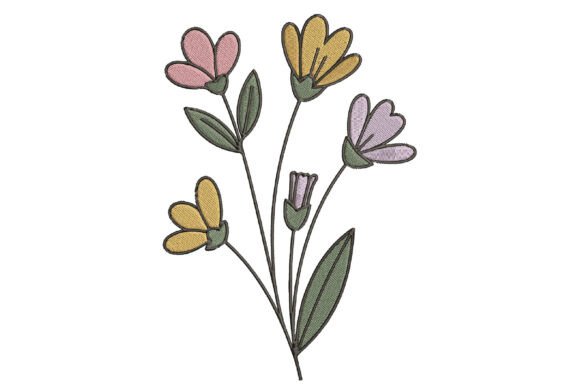
The Minimalist Wildflower Embroidery Design strikes me as elegant and soft without being fussy. The delicate pastel flowers, slender stems, and clean leaves create a look that fits comfortably in the farmhouse, modern botanical, and minimalist aesthetic categories. This is not a bold, loud design. Instead, it invites closer inspection, which is exactly the kind of engagement you want at a booth. Customers who stop to look tend to stay, and they stay because the design feels thoughtful and achievable.
When I imagine this embroidery file displayed on a tote bag hanging from my booth rack, I see it drawing in shoppers who appreciate subtle beauty. It does not scream for attention, but it rewards the curious eye. That quiet confidence works well for handmade product lines aimed at gift givers, nature lovers, and anyone seeking a touch of calm in their everyday items.
Where This Design Shines on Handmade Products
Based on my experience producing commercial embroidery for craft fairs, the Minimalist Wildflower Embroidery Design performs beautifully across several product categories. Here is where I see the strongest opportunities:
- Tote bags and market bags: The slender stems and open spacing mean this machine embroidery design lays flat without puckering on canvas or cotton tote fabric. It reads clearly as a small accent near the top of the bag or centered as a focal design. For tote bag design, it offers an approachable price point for customers who want something unique but not oversized.
- Apron embroidery: Centered on a bib apron or placed on the lower pocket, the Minimalist Wildflower Embroidery Design adds a professional touch. The pastel flowers stand out nicely on natural linen or light cotton, giving aprons a premium handmade quality that customers associate with artisan goods.
- Tea towel embroidery and kitchen linens: This is where the design really shines. Tea towel embroidery is a staple at craft fairs, and the Minimalist Wildflower Embroidery Design fits the format perfectly. The slender stems and spaced leaves stitch cleanly on linen or cotton kitchen towels, and the design dimensions work well as a row accent or single motif near the hem.
- Embroidered patches: For sellers offering sew-on or iron-on options at their booth, the Minimalist Wildflower Embroidery Design makes a charming patch. Its moderate stitch density means it holds shape without becoming stiff, and the soft color palette appeals to customers who want to customize their own jackets, bags, or denim.
- Fabric pouches and small zipper bags: Small products like cosmetic pouches, pencil cases, and gift bags benefit from the design's compact nature. The Minimalist Wildflower Embroidery Design adapts well to these smaller surfaces without losing clarity, making it an efficient choice for batch production.
- Pillow covers and cushion fronts: A single motif centered on a throw pillow creates an instant giftable item. The minimal aesthetic ensures it complements rather than overpowers the fabric pattern, which is a key consideration for booth displays where customers need to envision the product in their own homes.
Production Notes for Batch Embroidery
When I evaluate any digital embroidery file for repeat commercial use, I look closely at stitch density, thread colors, and hoop size. The Minimalist Wildflower Embroidery Design, based on its description of delicate pastel flowers with slender stems and elegant leaves, appears to be well-suited for efficient production. However, I always recommend testing the design on your actual fabric before committing to batch quantities.
One of the design's strengths is that the slender stems and open leaf spacing prevent excessive thread build-up in tight areas. This reduces the risk of fabric puckering, especially on lighter weight materials like tea towels or linen pouches. The pastel thread colors also mean fewer thread changes compared to more complex multi-color designs, which speeds up production time when you are stitching multiple units for a craft fair product run.
That said, pay attention to the hoop size required for the design. If the design fits a smaller hoop, you can maximize efficiency by nesting multiple repeats in one hooping for items like patches or small pouches. Confirm the exact hoop size in the embroidery file specifications before planning your production workflow.
Visual Appeal and Customer Engagement
At a craft fair booth, visual hierarchy matters. Customers scan quickly, and they stop at designs that feel cohesive and intentional. The Minimalist Wildflower Embroidery Design delivers a clean, modern look that photographs well for online listings and stands out in person. When I create printable mockups for my Etsy shop, I know that a design with soft colors and clear outlines will translate well across both digital and physical displays.
For booth display, consider stitching the design onto a few different product types: a tote bag, a tea towel, and a small pouch. Grouping them together creates a themed collection that invites customers to imagine owning multiple pieces. The consistent design language across products reinforces brand consistency and encourages add-on sales. Customers who buy one item often return for the matching set.
The design also supports add-on personalization. If you offer custom embroidery at your booth, the Minimalist Wildflower Embroidery Design can serve as a base motif with a small monogram or name added below or beside it. This flexibility increases perceived value and creates a memorable shopping experience.
Practical Embroidery Designer Notes
Before I produce any finished product featuring the Minimalist Wildflower Embroidery Design, I run through a standard checklist. These steps have saved me from wasted thread, ruined fabric, and unhappy customers:
- Test on scrap fabric: Always stitch the design on fabric similar to your final product. Linen, cotton, canvas, and towel terry all handle thread differently. The delicate flowers and slender stems may need slight tension adjustments to prevent pull on looser weaves.
- Check thread contrast: Pastel thread colors on light fabric can be subtle to the point of disappearing. Stitch a sample and view it under both natural light and booth lighting. If the design blends too much, consider a slightly darker thread palette for better definition.
- Review spacing and layout: The slender stems and spaced leaves are a deliberate design choice that prevents overcrowding. However, ensure the overall dimensions fit your intended product. A design that looks balanced on a tote bag may feel lost on a cap or cramped on a small pouch.
- Confirm stitch density: Moderate stitch density is ideal for most fabrics, but dense stitch areas can cause issues on textured towels or thick canvas. Run a test to confirm no excessive buildup that could distort the fabric or cause thread breaks.
- Use the right stabilizer: For tea towel embroidery, a tear-away stabilizer usually works well. For stretchy or textured fabrics like some cap materials, a cut-away stabilizer provides better support for the slender stems and fine leaf details.
- Create at least one real mockup: Digital mockups are useful for online listings, but a physical sample lets you evaluate how the design feels in hand, how it drapes, and how it interacts with the fabric texture. Customers at craft fairs appreciate seeing and touching the actual product.
- Compare fabric colors: The design description mentions delicate pastel flowers. Test the thread colors against your chosen fabric background. Light pink, lavender, and soft yellow threads may read differently on ivory, natural, or white fabric. Choose combinations that maximize visual appeal without losing the minimalist character.
- Confirm commercial licensing: Since this is a freebie, verify the license terms for commercial use. If you plan to sell finished products featuring the Minimalist Wildflower Embroidery Design at craft fairs or in your Etsy shop, ensure the license covers commercial embroidery production. Do not assume all free design assets allow resale of finished goods.
Careful-Use Notes for Specific Surfaces
Every embroidery design has limitations, and the Minimalist Wildflower Embroidery Design is no exception. Here are specific conditions where extra caution is warranted:
- Thick or textured fabrics: Towels with high loop pile or heavy canvas can distort the slender stems if the design is too dense. Use a medium-weight stabilizer and reduce tension slightly if needed.
- Dark fabrics: Pastel thread colors may not provide enough contrast on dark backgrounds. If you want to use this design on navy, black, or deep green fabric, consider substituting brighter or lighter thread colors to maintain visibility.
- Curved cap surfaces: Caps present unique challenges due to their curved front panel. The slender stems in the Minimalist Wildflower Embroidery Design may require careful hooping and a cap frame system to prevent misalignment. Test on a practice cap before producing multiples.
- Small lettering or tiny details: If you plan to add small text near the flowers, ensure the font size is legible at the hoop size you are using. Delicate lettering can become unreadable if scaled down too far or if the fabric texture interferes.
- Dense stitch areas: While the design appears open and airy, confirm that no areas of unexpected density exist. Running a test stitch-out on scrap fabric is the only way to be certain, especially for free designs where detailed stitch maps may not be available.
Final Thoughts for Your Small Shop Product Line
The Minimalist Wildflower Embroidery Design is a strong addition to any craft fair or handmade market product lineup. Its soft botanical appeal, modern simplicity, and practical stitch characteristics make it suitable for a wide range of items, from tea towel embroidery and apron embroidery to embroidered patches and fabric pouches. As a freebie, it offers an accessible entry point for Etsy sellers and small shop owners who want to test a new aesthetic without upfront investment.
In my booth, I would feature this design on a tote bag design displayed at eye level, paired with a tea towel set and a small pouch. The consistent visual language across products tells a story of calm, natural beauty that resonates with buyers looking for thoughtful handmade gifts. The design's ability to work as both a small accent and a standalone focal point gives you flexibility in product planning and pricing.
Before you produce for your next craft fair, complete the testing steps I outlined: stitch on scrap fabric, confirm thread contrast, review hoop size and stabilizer needs, and verify commercial licensing. With those checks in place, the Minimalist Wildflower Embroidery Design can become a reliable, repeat-friendly piece of your product line that customers will notice, admire, and purchase.