Cross Stitch Hare Montessori Lacing: A Designer's Review
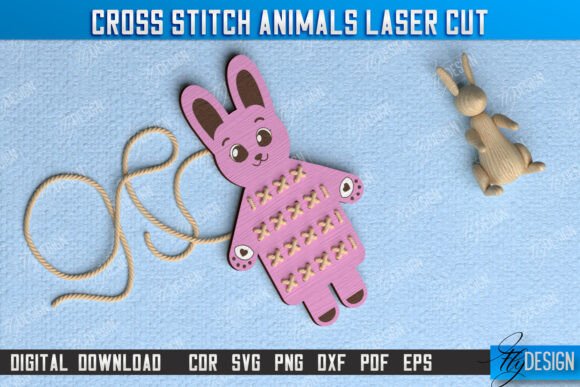
When I first came across the Cross Stitch Hare Montessori Lacing design, I was intrigued by its dual identity. Here is a file originally built for laser cutting machines, with clear RED line for CUT and BLACK line for ENGRAVE instructions, yet its name and style speak directly to the cross-stitch and Montessori crafting world. As an embroidery designer who regularly evaluates digital embroidery files for small business merch, I saw immediate potential for this hare motif to become a warm, handmade-style embroidered patch, chest logo, or tote bag accent. But I also knew that moving from a laser cutting file to an embroidery file requires thoughtful translation. In this review, I will walk through how the Cross Stitch Hare Montessori Lacing performs in real business use, where it shines, where to be cautious, and what it can do for brand identity, customer trust, and finished product value.
First Impressions: Rustic Charm Meets Handmade Professionalism
The name "Cross Stitch Hare" immediately suggests a design rooted in traditional needlework aesthetics. The hare is a friendly, approachable animal that evokes nature, gentleness, and handmade care. When I think about small businesses—especially cafés, bakeries, florists, boutiques, creative studios, and pet brands—this kind of imagery builds an emotional connection with customers. It does not feel corporate or cold. It feels like something a local artisan would create. That is a powerful asset for a small business merch line. The Montessori lacing aspect adds an educational, tactile layer, which could appeal to children's product lines, toy shops, or family-oriented brands. However, for embroidery use, the original file's laser-cutting logic means the design likely relies on thin, continuous lines and open areas. That works well for engraving and cutting wood or acrylic, but for machine embroidery, we need to consider stitch density, thread colors, and fabric texture. My first impression is that this design can be adapted into a beautiful embroidered patch or apparel accent, but it requires careful digitization to preserve the cross-stitch feel while ensuring durability in commercial embroidery.
Embroidered Patches and Apparel Accents
For small business owners looking to create custom apparel, the Cross Stitch Hare Montessori Lacing works wonderfully as an embroidered patch. The hare motif is compact enough to sit neatly on a chest pocket position, a sleeve end, or the front of a cap. The cross-stitch style translates well into a patch format because the grid-like aesthetic reads clearly at a moderate size. I recommend testing it at a finished patch size of at least 3 to 4 inches in width so that the details of the hare—ears, face, body—remain distinguishable. Thread color choice is critical here. A single-color patch in a warm brown or forest green gives a rustic, premium look. For more visual interest, consider a two-color treatment: a dark outline thread with a lighter fill. Because the original file uses RED line for CUT and BLACK line for ENGRAVE, the embroidery digitizer can use those distinctions to assign different stitch types and thread colors. The cut lines can become the dense satin border of the patch, while the engrave lines become the inner detail stitches. This approach maintains the integrity of the original design while adapting it for machine embroidery.
Tote Bags, Aprons, and Product Packaging Accents
Tote bags and aprons are staple items for any handmade brand, café, or boutique. The Cross Stitch Hare Montessori Lacing brings a friendly, artisanal touch to these surfaces. On a cotton tote bag, the design can be embroidered directly onto the fabric, creating a subtle yet recognizable brand mark. For aprons, placing the hare on the chest or lower pocket area works well. Because the design has a craft-oriented feel, it aligns perfectly with bakeries, florists, and creative studios that want to emphasize handmade quality. I also see potential for using this design on product packaging accents—think cloth tags, small patches sewn onto paper goods, or even embroidered labels for gift items. The Montessori lacing theme could be repurposed as a decorative element on children's products or educational toys. However, it is important to note that the original file is categorized under Other Toys Games and Laser Cutting, so the embroidery file will need to be created separately. I advise small business owners to commission a proper digitized embroidery file from a reputable digitizer, ensuring the stitch density, hoop size, and thread colors match the intended fabric and use case. Always create a printable mockup for client approval before production.
Small Patch Sizes and Cap Fronts
Cap embroidery presents a unique challenge because the curved surface and limited space require designs to be compact and clear. The Cross Stitch Hare Montessori Lacing, with its likely grid-based cross-stitch structure, may not reduce well below a certain size. If your cap front area is only 2 inches wide, the hare's details, especially the eyes and ears, could become muddy or lost. I strongly recommend testing a sample at the intended size on a similar cap fabric before committing to a full run. If you plan to use this design as a small chest logo on work shirts or uniforms, ensure the stitch density is not too high. Dense stitching on lightweight fabric can cause puckering. Use proper stabilizer—a medium-weight cutaway stabilizer for most apparel, and a heavier stabilizer for caps and bags. Also, consider the fabric texture. On dark uniforms, a light thread color like cream or soft gray will make the hare pop, while on light fabrics, a dark thread creates a strong, professional contrast. Always check the design in black and white first to evaluate spacing and clarity before choosing thread colors.
Fabric Texture and Wash Durability
Items that need frequent washing—like aprons, staff uniforms, and tote bags—require embroidery that can withstand repeated laundering. The Cross Stitch Hare Montessori Lacing, if digitized with too many small details or excessive stitch density, may experience thread wear or distortion over time. I recommend working with a digitizer who understands commercial embroidery and can adjust the design for durability. Use high-quality polyester or rayon threads that resist fading. For patches, consider a heat-seal or sew-on backing that holds up to washing. If you are embroidering directly onto aprons or work shirts, test a sample and wash it at least three times to check for shrinkage, thread breakage, or design distortion. The original file's laser cutting origins mean the design was not originally intended for fabric, so the digitization step is absolutely critical. Do not skip the sampling phase. Your brand identity depends on the finished product looking consistent and professional across every item.
How This Design Shapes Brand Identity and Customer Trust
Brand identity is built on consistency, recognition, and emotional connection. The Cross Stitch Hare Montessori Lacing offers a visual personality that is friendly, handmade, and approachable. For a small business, that is gold. When customers see a beautifully embroidered hare on a café apron or a boutique tote bag, they associate the brand with care, quality, and authenticity. This design does not scream "corporate logo" — it whispers "local artisan." That builds trust, especially in markets where handmade and small-batch goods are valued. However, the design must be executed well. A poorly digitized or misaligned embroidery project can damage that trust. Customers notice uneven stitching, puckered fabric, or faded threads. So while the Cross Stitch Hare has strong potential to elevate your brand identity, the execution must be precise. Use this design as part of a broader visual system—pair it with consistent fonts, color palettes, and other design assets. If you are an Etsy seller or craft business owner, this hare could become your signature mark across labels, packaging, and merch. Just confirm commercial licensing for the embroidery file before using it on products for sale. The original file is listed as a Laser Cutting product under Other Toys Games, so you will likely need to create or purchase a separate embroidery file with appropriate commercial rights.
Practical Embroidery Designer Notes for Production
Before you move forward with the Cross Stitch Hare Montessori Lacing for your small business merch, here are my practical notes as a designer who has reviewed hundreds of embroidery files for commercial use.
- Test in black and white first. Print a black-and-white version of the design at your intended stitch size. This helps you evaluate spacing, clarity, and whether the hare's features will read well at small sizes.
- Check thread color contrast. The design's cross-stitch aesthetic works best with high contrast between thread and fabric. Test a few color combinations on fabric swatches before committing.
- Inspect spacing for small sizes. If you plan to use this design on cap fronts or small chest pockets, verify that the ears, eyes, and body outline are distinct. If details blur, consider simplifying the design or enlarging the patch.
- Confirm hoop size. For machine embroidery, ensure the design fits your hoop. If the design is too large for your hoop, your digitizer can split it into smaller elements for patching.
- Test on real fabric. Always stitch a sample on the exact fabric you plan to use. Different fabrics react differently to stitch density, stabilizer, and tension.
- Use proper stabilizer. Medium-weight cutaway stabilizer works for most woven and knit fabrics. For stretchy or textured fabrics, consider a heavier stabilizer or a topper to prevent stitches from sinking.
- Create a mockup for client approval. Use a printable mockup or digital embroidery preview to show clients how the finished product will look. This avoids surprises and builds confidence.
- Compare beside other design assets. If you have an existing logo or brand elements, place the hare embroidery next to them. Ensure consistency in style, proportion, and visual weight.
- Confirm commercial licensing. Because the original file is for laser cutting and categorized under Other Toys Games, verify that your digitized embroidery file includes commercial use rights. Do not assume the original license covers embroidery production.
- Review stitch density. High stitch density can cause fabric puckering and thread breaks. Ask your digitizer to keep density moderate while preserving the cross-stitch look.
- Plan for multiple placements. Consider how the design will look on different products—caps, aprons, tote bags, patches, and shirts. Each surface may require slight adjustments in size, placement, or digitization.
Final Thoughts on Cross Stitch Hare Montessori Lacing for Business Use
The Cross Stitch Hare Montessori Lacing has genuine potential as a small business embroidery design for branded merchandise, patches, and apparel accents. Its handmade, nature-inspired feel aligns well with cafés, boutiques, creative studios, pet brands, and children's product lines. However, because the original file is built for laser cutting, the success of your embroidery project depends entirely on quality digitization, proper testing, and careful attention to size, fabric, and thread choices. Do not rush the process. Invest in a professional embroidery file, create samples, and approve mockups before full production. When executed well, this hare design can become a recognizable, trusted symbol of your brand’s commitment to quality and handmade care. Whether you are an Etsy seller, a brick-and-mortar boutique owner, or a merch creator for local businesses, the Cross Stitch Hare offers a warm, professional look that resonates with customers and strengthens your brand identity. Just be sure to confirm your embroidery file format, hoop size, and commercial licensing before you begin stitching.