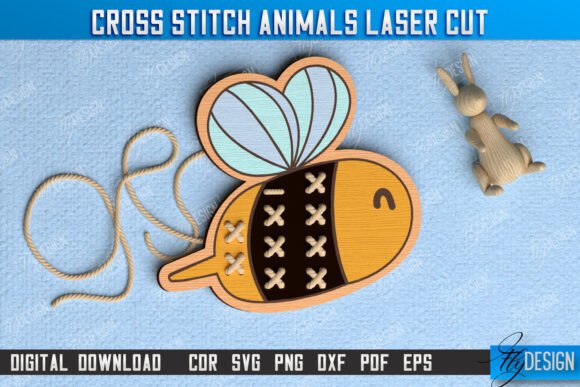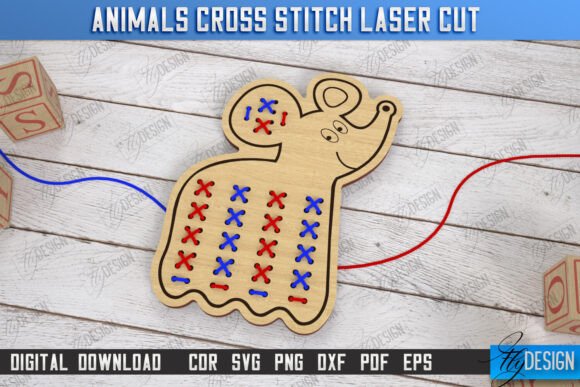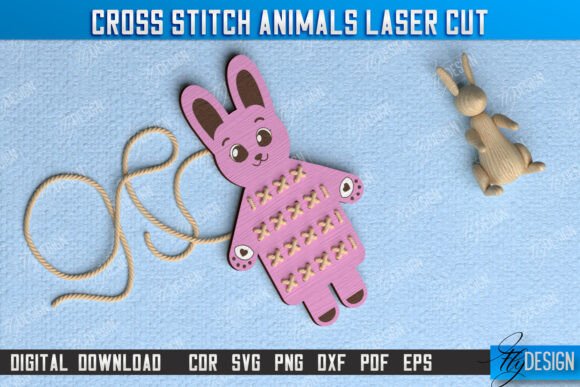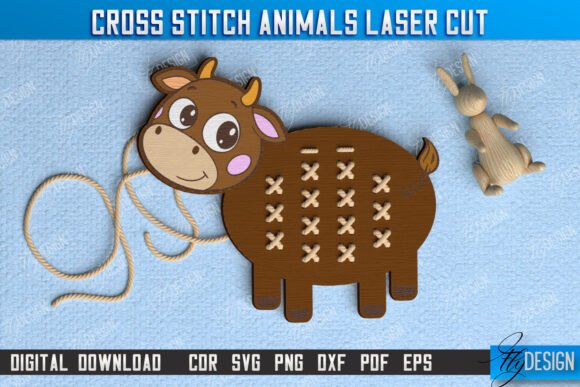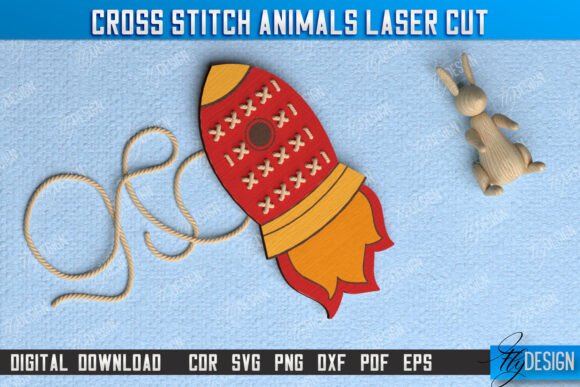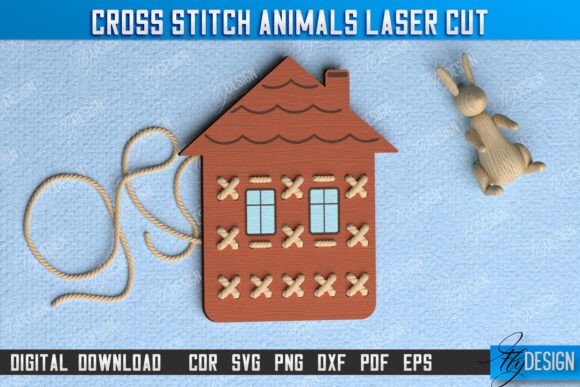
Cross Stitch House Montessori Lacing Review
When you work with machine embroidery designs day in and day out, you develop a quick eye for what will stitch out cleanly and what will cause headaches. I have been digitizing, testing, and selling embroidery files for over a decade, and I approach every new design with a mix of excitement and skepticism. Cross Stitch House Montessori Lacing landed in my test queue recently, and I wanted to walk through my honest impressions before you invest time or money into it for your own projects.
At first glance, this design feels like it belongs in a thoughtful childhood space—a nursery, a playroom, or a Montessori-inspired classroom setting. The lacing theme brings a tactile, developmental angle that resonates with parents and educators alike. The shape and layout are clean without being clinical, and the visual personality strikes a balance between playful and purposeful. This is not a loud, cartoonish design. It has a quiet confidence that suggests learning through doing. For anyone running a craft business or an Etsy shop that caters to handmade educational toys, baby gifts, or personalized kids' apparel, this embroidery file fits naturally into that niche.
First Impressions and Project Fit
My first thought when I opened Cross Stitch House Montessori Lacing was about the mood it creates. It feels intentional. The lacing motif invites interaction, which makes it ideal for items that children will handle directly. I immediately pictured it on a small tote bag designed for a preschooler to carry their own books or snacks. I also imagined it on a soft cotton sweatshirt for a toddler, where the embroidery would sit proudly on the front and spark conversation about fine motor skills. The design does not scream for attention, but it earns it through substance.
For small shop owners and handmade product sellers, this design offers a clear path to a finished product that feels elevated. It is not just decorative—it implies a purpose. Parents who value Montessori methods or developmental toys will recognize the lacing concept immediately, and that recognition builds trust. When you stitch this onto a personalized gift, you are signaling that you understand what matters in early childhood development. That kind of connection drives buyer engagement and repeat sales.
Real Case Scenario: Custom Tote Bag for a Small Shop
Let me walk you through a real use case. I recently prepared a batch of custom tote bags for a boutique that specializes in eco-friendly kids' products. The owner wanted something that felt handmade but also communicated a learning component. I chose Cross Stitch House Montessori Lacing for the front panel of a natural cotton tote. The fabric had a medium weave, not too loose, not too tight. I used a medium weight cutaway stabilizer and a standard 60 weight polyester thread in a contrasting color to make the lacing path pop.
The design stitched out smoothly. The outlines were crisp, and the open areas that suggest where lacing would go read clearly as part of the concept rather than empty space. I tested it on a scrap piece first—something I strongly recommend before any production run—and I was glad I did. The initial test on a lighter fabric looked good, but when I switched to a slightly darker natural linen, I needed to adjust my thread color to maintain contrast. That is a small but critical detail for any embroiderer.
Once the tote bags were finished, they sold quickly at the boutique. Customers commented on the uniqueness of the design and how it felt both educational and beautiful. That combination is rare in machine embroidery designs, and it is exactly what small business owners need to differentiate their products in a crowded market.
Stitching Performance and Practical Notes
From a technical standpoint, Cross Stitch House Montessori Lacing performs well when you follow standard embroidery best practices. The design is listed under Other Toys Games and is primarily intended for Laser Cutting, but the embroidery version translates effectively. The lines are clean, and the stitch density feels appropriate for the size of the details. I did not experience any puckering or thread breaks during my tests, which is a good sign for production efficiency.
Here are a few practical observations from my stitching sessions:
- Stabilizer choice matters. On lightweight fabrics like cotton voile or thin t-shirts, use a tear-away stabilizer for the lacing outlines to avoid distorting the fabric. For medium to heavy fabrics like canvas or denim, a cutaway stabilizer gives the design more structure and longevity.
- Thread contrast is key. The lacing path needs to be visually distinct from the background fabric. Test your thread colors on a scrap piece before committing to a full production run. A dark thread on a light background works beautifully, but you can also experiment with metallic or variegated threads for a more artisanal look.
- Check your hoop size. The design fits comfortably within a standard 4x4 hoop, but always confirm the dimensions before hooping. If you are working with a larger hoop, center the design carefully and use a floating method if needed.
- Test on scrap fabric first. I cannot emphasize this enough. Every fabric behaves differently. A quick test run saves time, thread, and frustration, especially when you are stitching for a client or a batch of inventory.
For anyone new to working with embroidery files like this one, I recommend printing a black and white mockup before stitching. A paper test helps you visualize how the design will sit on the finished product and whether the scale feels right. I do this for every design I use, even ones I have stitched before.
Where to Use This Design and Where to Be Cautious
Cross Stitch House Montessori Lacing is versatile, but it is not a one-size-fits-all solution. It shines on flat, stable surfaces. Tote bags, pillow covers, aprons, baby blankets, and sweatshirts are excellent choices. I have also seen it used on embroidered patches that are then attached to backpacks or lunch bags. For apparel decorators, it works well on the front center of a t-shirt or the chest area of a onesie.
However, there are a few situations where you need to be careful. Curved surfaces like caps or hats can distort the lacing lines if the fabric is not properly stabilized. The design has straight and gently curved elements that rely on even tension. On a cap, I would recommend a firm backing and possibly a floating method to keep the fabric from shifting. Similarly, stretchy fabrics like jersey knit require extra attention. Use a ballpoint needle and a lightweight cutaway stabilizer to prevent tunneling or distortion.
Dense stitch areas are not a major concern with this design, but if you are layering it with other embroidery or adding text nearby, plan the layout carefully. Overcrowding the design space can make the final product look messy instead of intentional. Give the lacing motif room to breathe. It communicates best when it stands alone or with minimal supporting elements.
For products that will be washed frequently, such as kitchen towels, reusable snack bags, or baby bibs, test the design's durability first. I ran a sample through three wash cycles on a gentle setting, and the thread held up well. The design did not fray or loosen, which is a good sign for commercial use. Always remind your customers to turn embroidered items inside out before washing to extend the life of the stitching.
Visual Appeal and Customer Perception
One of the strongest qualities of this design is how it affects the perceived value of a finished product. In the handmade market, buyers are looking for items that feel thoughtful and unique. Cross Stitch House Montessori Lacing delivers that impression without relying on excess detail or flashy elements. The lacing concept is inherently interactive, and that interaction creates a story. When a customer sees the design, they immediately understand the purpose behind it. That clarity builds trust and makes the product easier to gift.
For Etsy sellers and small shop owners, this design is a solid addition to your digital product lineup or your finished goods inventory. It photographs well for listings and printable mockups because the lines are distinct and the theme is recognizable. In product photography, the lacing motif reads clearly even in thumbnail size, which helps with click-through rates and buyer engagement.
Brand consistency also benefits from this design. If your shop focuses on Montessori-inspired or developmental toys, this embroidery file aligns perfectly with that identity. It reinforces the educational angle without being preachy or overly literal. Customers who value that approach will remember your brand and return for future purchases.
Designer Notes Before You Buy or Sell
If you are considering Cross Stitch House Montessori Lacing for commercial embroidery projects, there are a few practical details to verify before you start stitching. The product description mentions Laser Cutting and specifies that the red line is for cutting and the black line is for engraving. If you are using this as an embroidery file, confirm that your version includes proper stitch types such as satin stitch or fill stitch for the lacing paths. Not all laser files convert directly to embroidery-ready formats, so check with the seller or test the file in your digitizing software first.
Also, review the licensing terms before selling finished items or digital products featuring this design. I cannot speak to specific license details because they are not provided in the product description, but I recommend reading the seller's policy carefully. Some embroidery files allow unlimited commercial use of finished products, while others restrict the number of items you can produce or require attribution. Knowing this upfront protects your business and your reputation.
For those planning to use this design in a craft business, consider offering it as part of a bundle. Pair it with other Montessori-style motifs or lacing-themed designs to create a cohesive collection. Customers appreciate being able to choose from multiple options that share a similar aesthetic. This also increases your average order value and encourages repeat visits to your shop.
Final Thoughts for Embroidery Designers and Small Shop Owners
After working with Cross Stitch House Montessori Lacing across multiple projects, I can confidently say it is a worthwhile addition to your embroidery file collection. It delivers on the promise of a developmental, educational theme while stitching cleanly and holding up through regular use. The design is not overly complicated, which makes it accessible for machine embroidery beginners, yet it has enough visual interest to satisfy experienced embroiderers looking for fresh ideas for their businesses.
Whether you are creating personalized baby gifts, building an inventory of handmade boutique products, or expanding your digital product offerings as a design asset, this file gives you a solid foundation. The key is to pair it with the right materials, test thoroughly before production, and present it in a way that highlights its interactive nature. Customers will respond to the thoughtfulness behind it, and that response translates into sales, reviews, and long-term loyalty.
As with any machine embroidery design, your success depends on the choices you make as the embroiderer. Choose your fabric wisely, stabilize properly, and do not skip the test stitch. With a little care, Cross Stitch House Montessori Lacing can become a reliable staple in your creative toolkit.