Game Console Patch Design Review for Small Business Merch
As an embroidery designer who has digitized, stitched out, and reviewed hundreds of machine embroidery designs for small businesses, I approach every new file with a practical eye. The Game Console Patch landed on my desk recently, and I want to share a thorough review from the perspective of someone who helps shop owners, apparel decorators, and handmade brands choose the right digital embroidery file for their merchandise. This cute embroidery of a game console is positioned for children and passionate gamers, and the description promises a versatile patch for clothes, hats, decorations, and more. Let me walk you through what works, where to be cautious, and how this machine embroidery design can serve your small business needs.
First Impressions: Playful Personality with Commercial Potential
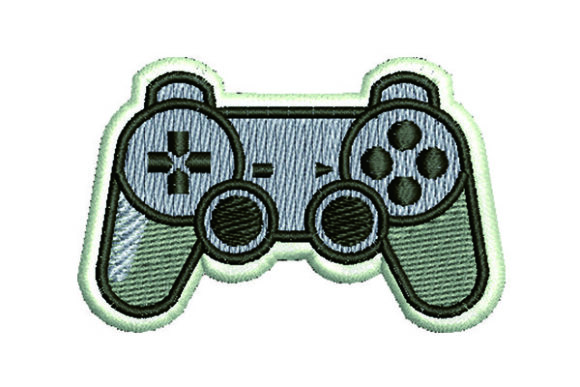
My immediate reaction to the Game Console Patch is that it leans heavily into a playful, friendly, and nostalgic aesthetic. The design evokes the handheld gaming devices many of us grew up with, and its cute proportions make it approachable rather than hyper-realistic. For a small business looking to create branded merchandise that feels fun and accessible, this is a strong starting point. The embroidery file reads as a decorative accent rather than a strict logo replacement, which means it can work beautifully as a secondary design element or as a standalone patch for a specific audience.
From a brand identity standpoint, this design communicates energy, youthfulness, and a love for gaming culture. If your business serves gamers, parents buying for children, or a community centered around retro or modern gaming, the Game Console Patch can become a recognizable symbol. It is not a corporate or minimalist logo; it is a handcrafted, charming piece of embroidery that feels personal and handmade. That authenticity is valuable for small business merch sold on Etsy, at pop-up markets, or through local boutique channels.
Real Business Use Cases: Where This Design Shines
The Game Console Patch is categorized under Toys Games and Embroidery, but its application extends far beyond children's clothing. In my work with cafés, creative studios, and pet brands, I have seen similar playful designs used effectively in unexpected ways. Let me break down where this design performs best in a commercial setting.
Embroidered Patches for Branded Merchandise
The most obvious use is as an embroidered patch sewn onto jackets, backpacks, hats, and tote bags. For a small gaming-themed café or a boutique that sells retro toys, producing a run of patches with this design allows customers to attach the brand to their own belongings. Patches also work well as customer gifts or limited-edition event merch. The cute console shape lends itself to patch production because the outline can be cleanly stitched with a satin or tapered edge, provided the digitizing supports a patch format. Always confirm that your digital embroidery file includes a proper patch border or that you can add one without distorting the design.
Custom Apparel for Staff Uniforms
Imagine a local game store, an arcade bar, or a family-friendly restaurant where staff wear aprons or caps featuring the Game Console Patch. Placed as a chest logo accent or a small sleeve detail, this design adds personality without overwhelming the uniform. For apron embroidery, the compact size of a game console works well on the upper chest pocket area. On cap embroidery, the design fits naturally on the front panel, though you must consider curve distortion. I recommend testing the design on a cap form before committing to bulk production.
Tote Bag Design and Product Packaging Accents
Canvas tote bags are a staple of small business merchandise, and the Game Console Patch can be embroidered directly onto the bag or applied as a patch. For a bakery or florist with a playful brand voice, a small console design on a tote adds a surprising, memorable detail. Similarly, you could use the design as an accent on product packaging—think drawstring bags, pencil cases, or even as a decorative element on handmade journals. The key is to keep the design proportional to the item. A tiny console on a large tote may look lost, while a medium-sized console on a child's backpack feels just right.
Where to Use This Design Carefully
No design is perfect for every application, and the Game Console Patch has limitations that every small business merch creator should consider before production. Based on my experience testing similar machine embroidery designs, here are the areas that require extra attention.
Small Patch Sizes and Detail Retention
The product description does not specify exact dimensions, but a typical game console design might range from 1.5 to 4 inches wide. At very small sizes—such as a 1-inch patch for a cap front or a tiny accent on a collar—the details of the console (buttons, screen, D-pad) can become muddled. Stitch density becomes a critical factor. If the design has too many small elements packed into a small area, the embroidery may look like a blob of thread. I always advise ordering a sample stitch-out at the intended size before offering the design to customers. Test it on a scrap of fabric that matches your final product material.
Curved Surfaces and Cap Embroidery
For cap embroidery, the curved surface of a baseball hat can distort the shape of the console. The design may stretch or compress depending on the cap's construction and the hoop used. If your business plans to embroider this design on hats, request a curved hoop or a cap frame from your digitizer. Also, check whether the design has enough clearance from the brim. A console sitting too low on the cap front can look awkward. I prefer designs that maintain their proportions when curved, and that means the original embroidery file should be digitized with curve compensation in mind.
High Stitch Density and Fabric Texture
Playful designs with lots of color changes and detailed outlines often have higher stitch density. While this creates a crisp, professional look on stable fabrics like twill or denim, it can cause problems on lightweight or stretchy materials. For tote bag design on canvas, the density is usually fine. But for t-shirts or thin aprons, the stitches may pucker or pull the fabric. Use a proper stabilizer—a tear-away for stable fabrics, a cut-away for knits—and test on your actual merchandise fabric. If the design feels too dense, ask your digitizer to reduce stitch count or simplify some details.
Dark Uniforms and Thread Color Contrast
The Game Console Patch likely uses multiple thread colors to represent the console body, screen, buttons, and highlights. On dark fabrics like black or navy uniforms, light thread colors pop beautifully, but dark thread colors may blend into the background. I recommend reviewing the color map of the design and adjusting thread choices for maximum contrast. A white or gray console on a dark shirt reads clearly, while a dark blue console on a black uniform will disappear. Always create a printable mockup showing the design on your specific fabric color before approval.
Brand Identity, Customer Trust, and Perceived Value
Every embroidered element on your product contributes to your brand identity. The Game Console Patch sends a clear message: your business is playful, approachable, and connected to gaming culture. For a business that sells board games, hosts esports events, or creates content for young families, this design reinforces your niche. Customers who identify with gaming will feel an instant connection, which builds trust and recognition over time.
However, if your brand identity is minimalist, luxury, or professional in a traditional sense (think law firm or financial services), this design will feel out of place. The cute, decorative nature of the Game Console Patch works best for businesses that want to appear handmade, creative, and community-focused. For handmade product sellers on Etsy, this design can elevate a simple tote or hat into a themed item that commands a higher price. The perceived value increases when the embroidery is clean, the colors are well-chosen, and the placement is intentional.
Customer engagement also benefits from recognizable imagery. A gamer who sees the console patch on a staff apron is more likely to strike up a conversation, share a photo, or feel welcomed into the space. That emotional response translates into repeat business and word-of-mouth marketing. In my experience, designs that spark recognition and nostalgia perform better as commercial embroidery projects than abstract or generic shapes.
Practical Embroidery Designer Notes Before Production
Before you commit to using the Game Console Patch for your merchandise, here are actionable steps I take with every new machine embroidery design. These notes come from years of troubleshooting and helping clients avoid costly mistakes.
- Test it in black and white first. If your digitizer offers a monochrome preview, run the design using only black thread. This reveals whether the shape reads clearly without color. If the console becomes unrecognizable, the detail lines need adjustment.
- Check if it works at small patch size. Request a sample stitch-out at 2 inches, 2.5 inches, and 3 inches wide. Compare the clarity of buttons, screen, and overall silhouette. Choose the size that balances detail with visibility.
- Review thread color contrast. Lay the stitched sample on your intended fabric. Adjust thread colors to ensure every element has enough contrast. Avoid using two shades of the same color next to each other unless they are clearly separated by a outline.
- Inspect spacing and jump stitches. A well-digitized design should have minimal jump stitches between color blocks. Long jumps waste thread and can cause snags. If you see excessive trims, ask for a cleaner path.
- Confirm hoop size. The design should fit comfortably within your most commonly used hoop. If it requires a larger hoop than your setup supports, you may need to resize or adjust your workflow.
- Test on real fabric. Every fabric behaves differently. Test the design on the exact material you will use for production—cotton twill, polyester cap fabric, canvas tote material. Adjust stabilizer, needle, and tension accordingly.
- Use proper stabilizer. For patches, a tear-away stabilizer is often sufficient. For apparel, a cut-away stabilizer prevents distortion after washing. For caps, a stiff cap backing keeps the shape intact.
- Create a mockup for client approval. Use a printable mockup template showing the design on your product. This helps clients visualize the final look and reduces revision requests later.
- Compare it beside other design assets. If your brand already has existing embroidered elements (a logo, a mascot, a motif), stitch the Game Console Patch next to them. Ensure they share a cohesive visual language—similar line weights, stitch types, and overall style.
- Confirm commercial licensing before business use. The product description does not specify license terms. If you are purchasing the digital embroidery file, verify that the seller allows commercial use. Some designers restrict the number of sellable items or require attribution. Always get written confirmation.
Final Verdict for Small Business Owners
The Game Console Patch is a charming, versatile machine embroidery design that can add personality to a range of custom apparel and merchandise items. It works best for businesses targeting gamers, children, or anyone who appreciates playful, handmade details. The design performs well as an embroidered patch, a chest logo accent, a tote bag design, and a cap emblem, provided you test size, fabric, and thread contrast first.
I recommend this design for small business owners who want to create limited-edition merch, staff uniforms that spark conversation, or event giveaways that recipients will actually wear. With careful digitizing adjustments and proper stabilizer choices, the Game Console Patch can become a beloved part of your brand’s design assets. Just remember to confirm your hoop size, test thoroughly, and secure commercial rights before stitching your first batch. A well-executed embroidered product elevates your brand identity and builds customer trust—and this design has the potential to do exactly that.