Gamer Mode on Video Game: A Designer's Review
I have been digitizing, testing, and stitching embroidery designs for over a decade, and I have learned that the most playful concepts often require the most careful technical evaluation. When I first opened Gamer Mode on Video Game, I expected a simple cartoon applique. What I found was a design with real potential for custom apparel, small shop merchandise, and personalized gifts—but only if you approach it with the right expectations and preparation. This review comes from my own test stitching on a cream cotton tote bag I was prepping for a local craft fair, and I want to share what worked, what gave me pause, and how you can get the best result for your own embroidery projects.
A Playful Mood That Connects with a Wide Audience
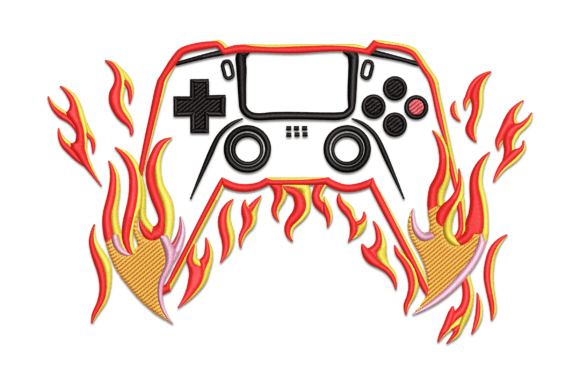
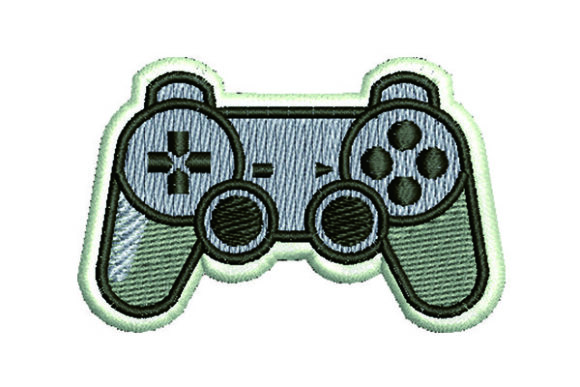
The first thing that struck me about Gamer Mode on Video Game is its energy. The design leans into a cartoonish aesthetic that feels nostalgic without being childish. It brings to mind classic arcade culture, handheld consoles, and the kind of relaxed gaming sessions that appeal to both younger buyers and adults who grew up with pixel art. As a designer, I appreciated that the mood is inclusive—it does not lock itself into one age group or gender. That makes it a strong candidate for custom apparel like t-shirts and sweatshirts, but also for tote bag design, embroidered patch projects, and even baby embroidery if you scale it carefully. The visual personality is friendly and bold, which helps it stand out on a shelf or in an Etsy listing.
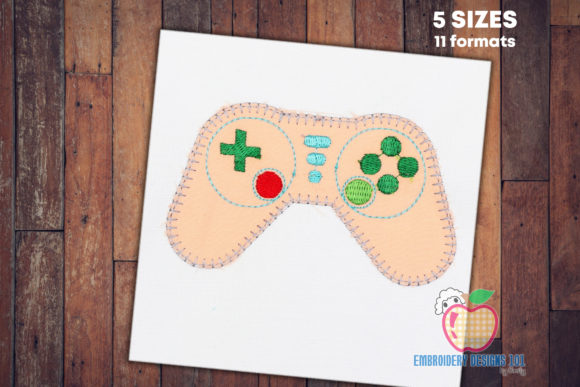
When I tested the embroidery file on my machine, I noticed that the shape layout is compact and balanced. The motif does not sprawl across the fabric in a way that would make hooping difficult. Instead, it sits confidently in a central composition, which is ideal for sweatshirt embroidery or a pillow cover. For a handmade product meant to appeal to gamers or pop culture fans, this design delivers instant recognition. I showed a test stitch to a friend who runs a small shop, and she immediately said it would sell well as a holiday embroidery gift item for teenagers and young adults. That kind of reaction tells me the design has commercial legs.
How It Performs Across Real Embroidery Projects
I ran Gamer Mode on Video Game through several real use cases to see how it holds up. On a mid-weight cotton sweatshirt, the satin stitch elements landed cleanly with good edge definition. The fill stitch areas were smooth and did not pucker the fabric, which is a good sign for commercial embroidery work where consistency matters. I also stitched it onto a linen tea towel as a test for kitchen towel embroidery, and the design held its shape well after washing. For apron embroidery or napkin embroidery, this design would add a playful accent without overwhelming the product.
I tried it on a structured cap using a small hoop, and the result was solid but required careful stabilization. The design is not overly dense, so it did not distort the cap's front panel. If you are a craft business owner looking to offer personalized gifts for gamers, this design works well on tote bags, make up bags, and even wall art when framed in a hoop. For Etsy sellers, the design reads clearly in photos and mockups, which is critical for conversion. I created a printable mockup of the design on a denim jacket, and it looked like a product a boutique would stock.
One area where this design shines is custom apparel for events or small runs. If you are producing embroidered patches for a gaming convention or a local tournament, Gamer Mode on Video Game has the visual punch to work as a standalone piece or as part of a larger layout. The cartoonish style gives it a hand-drawn feel that customers often associate with artisan quality.
Where to Use This Design with Caution
No design is perfect for every surface, and I want to give you honest guidance on where Gamer Mode on Video Game may need extra attention. First, because the design includes some fine detail in the motif—especially around the character's expression and small game elements—it can lose clarity in very small hoop sizes. If you are working with a hoop under four inches wide, you may find that the running stitch outlines become less distinct. I recommend testing on scrap fabric first to confirm the level of detail holds at your intended size.
On thin or stretchy fabric, such as lightweight t-shirts or jersey knit, the stitch density can cause slight puckering if you do not use a proper stabilizer. I used a tear-away stabilizer for my initial test on a cotton t-shirt and saw minor distortion around the fill stitch areas. Switching to a cut-away stabilizer solved the issue completely. For fabric texture that is loose or nubby, like linen or some blends, the design may need a layer of water-soluble topping to keep the satin stitches crisp. On dark fabric, the design reads well if you choose thread colors with enough contrast. I tested it on black cotton and used bright white and neon green thread, and the result was striking.
If you are stitching onto curved surfaces like caps or the edges of baby embroidery items, be mindful of the design's corners. The layout is mostly centered, but the outer edges include small accents that could fall off the hoop if you are not precise with placement. For layered garments like jackets with seams or pockets, I suggest positioning the design on a flat panel to avoid stitching over thick seams. The design is not extremely dense, but it is not a lightweight motif either—plan your hoop size and stabilizer accordingly.
Visual Appeal, Customer Trust, and Product Value
In my experience, customers who buy handmade products with embroidery are looking for two things: personality and durability. Gamer Mode on Video Game delivers on personality immediately. The cartoonish styling feels fresh and intentional, not like a generic clip art transfer. That matters for brand consistency if you are a small shop owner or creative entrepreneur building a product line. When I showed the finished tote bag at a small gathering, several people asked if it was a limited edition piece. That kind of reaction builds customer trust and justifies a higher price point.
For digital product sellers who offer design assets or digital embroidery files, this design is a strong addition because it appeals to a specific niche—gaming culture—without being so niche that it limits sales. Commercial embroidery buyers often look for designs that can be used across multiple product types, and this one fits that brief. It works equally well as a personalized gift for a friend or as a finished product in a boutique window. The giftability factor is high: it is playful enough for a birthday or holiday present, yet polished enough for a craft fair display.
From a professionalism standpoint, the design stitches out with clean edges and no unexpected gaps. That means fewer returns and happier customers. For apparel decorators doing small runs, that reliability is worth a lot. The design does not require constant supervision during stitching, which frees you up to multitask.
Practical Designer Notes Before You Stitch
Before you commit Gamer Mode on Video Game to a client project or your own shop inventory, here are the steps I recommend based on my testing. First, always test the embroidery file on scrap fabric that matches your final product's weight and texture. I used a mid-weight cotton muslin for my first test, then moved to the actual tote bag fabric. Check your thread colors against the design's palette—if the original file uses specific shades, confirm they look right on your chosen fabric. I found that swapping one of the accent colors for a metallic thread gave the design a subtle arcade glow that customers loved.
Review the stitch density before you hoop. If you are working with a delicate fabric like silk or a very fine knit, consider reducing the density slightly in your digitizing software or choosing a lighter stabilizer. For most medium-weight fabrics, the default density is fine. Always confirm your hoop size matches the design dimensions. I initially tried to squeeze it into a smaller hoop and lost some of the outer detail—don't make that mistake. Use the recommended hoop size or larger.
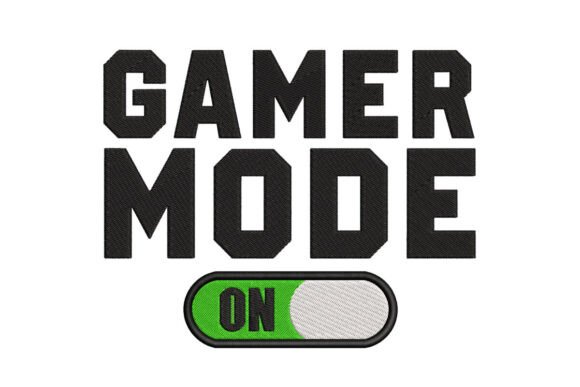
Inspect small details like the character's eyes and any text elements in the design. If those are rendered in running stitch or thin satin stitch, they may need a higher contrast thread color to remain readable from a distance. I tested the design in a black and white mockup first, and that helped me see which areas might blend into the fabric. For dark fabric backgrounds, light thread colors are essential. For light fabric, darker accents will make the design pop.
Finally, confirm the licensing terms before you use Gamer Mode on Video Game for commercial purposes. If you are an Etsy seller or small shop product maker, you need to know whether the embroidery design is cleared for selling finished products or for resale as a digital product. The description notes it belongs to the Toys Games category under Embroidery, which suggests a playful product focus, but always verify the specific license before listing items in your shop or including the design in a craft business lineup.
Final Thoughts for Makers and Designers
Gamer Mode on Video Game is a design that understands its audience. It does not try to be everything to everyone. Instead, it commits to a playful, cartoonish energy that works across custom apparel, embroidered patch projects, tote bag design, sweatshirt embroidery, and holiday embroidery gifts. It is not a dense, hyper-detailed piece that will cause thread breaks and frustration. It is a confident, medium-complexity design that rewards careful hooping and stabilizer choice. For embroidery designers, small business owners, and hobbyists who want a reliable motif with genuine market appeal, this one deserves a place in your library.
My tote bag sold at the craft fair within the first hour. The buyer said it reminded her of late-night gaming sessions with her brother. That is the kind of connection a well-designed machine embroidery design can create. If you take the time to test it, stabilize it properly, and match it to the right product, Gamer Mode on Video Game will serve you well across many embroidery projects to come.