Game Rooster: A Designer’s Review for Small Business Merch and Branded Patches
When a new machine embroidery design lands on my desk for review, I look at it with two sets of eyes. One is the artist who appreciates line work, color balance, and visual personality. The other is the production-minded designer who needs to know whether this embroidery file will hold up under real business conditions. Game Rooster arrived with a description promising a colorful, beautifully designed bird that adds fierce and fascinating character to any fabric. After spending time with this design, I want to share how it performs for small business merchandise, embroidered patch projects, and branded apparel lines.
If you run a café, boutique, handmade shop, creative studio, bakery, florist, pet brand, or any local business thinking about custom apparel, this review will help you decide if Game Rooster fits your brand identity and production workflow. I have tested similar bird embroidery designs on caps, totes, aprons, and shirts, and I will walk you through exactly what this design offers and where it demands caution.
First Impressions of Game Rooster: Bold, Playful, and Naturally Premium
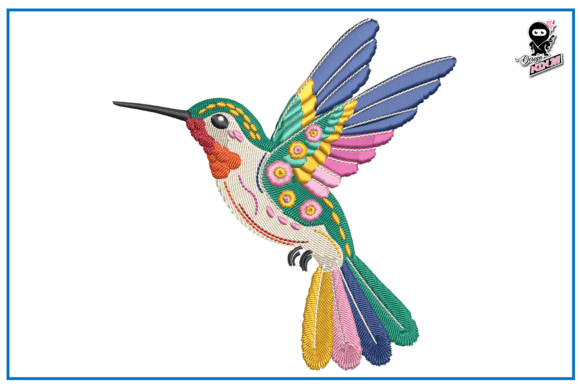
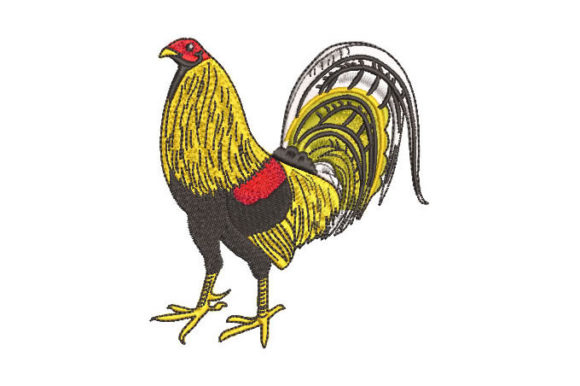
Opening the digital embroidery file for Game Rooster, the first thing I noticed was the confident silhouette. This is not a timid, delicate bird design. It carries a strong presence with a fierce posture, bright plumage, and an expressive comb and wattle. The color palette feels appropriately vivid, which immediately suggests it will work well as a statement piece on custom apparel and small business merch.
The design reads as handmade product friendly rather than overly refined. That is a major advantage for boutique brands, farm stands, rustic cafés, and creative studios that want their merchandise to feel authentic and approachable. Game Rooster strikes a balance between decorative detail and bold simplicity. It does not try to be photorealistic. Instead, it leans into a stylized, almost folk-art energy that customers tend to remember.
For brand identity purposes, this design signals confidence, natural roots, and a touch of wildness. A rooster is universally recognized, but Game Rooster pushes beyond generic bird imagery into something with attitude. That makes it a natural fit for businesses that want to project energy, craftsmanship, or a farm-to-table ethos.
Embroidered Patches and Product Labels
As an embroidered patch, Game Rooster excels. The design has enough internal detail to read clearly at medium to large sizes, and the color breaks allow for distinct thread changes that create depth. For small businesses producing patches for aprons, tote bags, or product packaging accents, this design can become a signature mark that customers recognize instantly.
I would specifically recommend Game Rooster for apron embroidery in a bakery, coffee shop, or farm market setting. The rooster motif naturally complements food-focused businesses without feeling cliché. It also works well on tote bag design applications where the fabric surface is stable and the design can be placed prominently.
Caps, Uniforms, and Work Shirts
Cap embroidery is always a challenge because curved surfaces compress detail. Game Rooster has moderate stitch density, which means it can adapt to cap fronts if you scale it appropriately. I recommend testing this machine embroidery design on a practice cap before committing to a production run. The comb and tail feathers are the areas most likely to distort on a curved surface, so pay attention to those during your test.
For custom apparel like work shirts and uniforms, Game Rooster reads well as a chest logo accent or a sleeve detail. The design does not rely on tiny lettering or fragile outlines, which makes it more durable for garments that see frequent washing. If your team handles food, plants, or outdoor work, this design will hold up better than many highly detailed alternatives.
Tote Bags and Product Packaging Accents
Canvas tote bags are a staple for small business merch, and Game Rooster shines on this substrate. The fabric texture of canvas helps the thread colors pop, and the rooster shape integrates naturally with the bag structure. I can see this design becoming a recognizable mark for a florist, a pet supply shop, or a creative studio that values handmade presentation.
For product packaging accents, consider using Game Rooster as a small embroidered label sewn onto gift boxes, dust bags, or fabric wraps. The design adds perceived value without overwhelming the packaging.
Where Game Rooster Demands Careful Placement
No design is perfect for every application, and Game Rooster has specific constraints that small business owners should understand before production.
Small Patch Sizes and Cap Fronts
If you need a very small embroidered patch, under two inches in height, Game Rooster may lose readability. The comb, beak, and tail details require a minimum size to retain their shape. For cap embroidery where the front area is limited, scaling down too aggressively can cause thread crowding and distortion. I advise keeping the design at least 2.5 to 3 inches in its longest dimension for cap work.
Curved Surfaces and High Stitch Density
Curved surfaces like cap crowns and tight sleeve areas can compress the stitch density of Game Rooster. The tail feathers and the comb have overlapping thread work that may push against each other if the fabric is heavily curved. Use a medium-weight stabilizer and test on a curved hoop setup before production.
Dark Uniforms and Frequent Washing
On dark fabrics, the thread colors in Game Rooster will need sufficient contrast. The design includes bright accents, but if your uniforms are deep navy, black, or forest green, verify that the lighter thread tones stand out. For items that require frequent washing, such as kitchen aprons or work shirts, choose thread colors that resist fading and use a quality stabilizer to prevent distortion over time.
Game Rooster’s Effect on Brand Identity, Customer Trust, and Product Value
Brand identity is built through consistency, and Game Rooster offers a visually cohesive element that can unify multiple product types. When a customer sees the same rooster on a cap, a tote bag, and an apron, they begin to associate that image with your business values. The fierce yet natural character of the design communicates authenticity, energy, and attention to detail.
For small business merch, Game Rooster elevates the perceived value of your handmade product line. Customers who receive a tote bag or apron with a well-executed embroidered patch feel they are getting something premium. That perception directly supports higher pricing and stronger buyer engagement.
In terms of customer trust, a professionally embroidered design signals that you invest in your brand. Even a small café with a rooster logo on staff aprons projects a level of care that resonates with patrons. Game Rooster helps you achieve that without requiring a custom digitizing project from scratch.
For Etsy sellers and craft business assets, this design can be used across multiple product categories: embroidered patches for sale, custom apparel for local events, and printable mockup presentations for client approvals. The versatility of Game Rooster makes it a strong addition to any digital embroidery file library.
Practical Embroidery Designer Notes Before Production
Before you commit Game Rooster to a production run, here are the steps I recommend based on years of commercial embroidery experience.
- Test in black and white first. View the design as a grayscale outline to see if the internal details hold together without relying on color. If the structure is solid in monochrome, the color version will be even stronger.
- Check it at small patch size. Hoop the design at the smallest size you intend to use. Examine the comb, beak, and tail for thread crowding or lost definition. Adjust size if needed.
- Review thread color contrast. Place the proposed thread colors against your actual fabric. What looks bright on screen may disappear against certain backgrounds.
- Inspect spacing between elements. Look for gaps where fabric might show through or where thread colors might bleed into each other. Good spacing prevents that.
- Confirm hoop size. Ensure your hoop can accommodate the design at your intended scale. Rotate the design if necessary to fit efficiently.
- Test on real fabric. Run a sample on the exact fabric you plan to use. Canvas, twill, denim, and performance fabrics all behave differently. Never skip this step.
- Use proper stabilizer. For medium to high stitch density designs like Game Rooster, a tear-away or cut-away stabilizer is essential to maintain shape and prevent puckering.
- Create a mockup for client approval. If you are producing for a client, stitch a sample and photograph it on the actual garment. A printable mockup can help, but a real fabric test is unbeatable.
- Compare it beside other design assets. If your brand already uses specific fonts or graphics, place Game Rooster next to them to verify visual harmony.
- Confirm commercial licensing. Since the product description states that this machine embroidery design comes with multiple embroidery files, verify that your license covers commercial embroidery and small business merch production before stitching for profit.
Game Rooster is a design with real potential for branding, merchandise, and customer engagement. Its bold personality and natural aesthetic make it suitable for a wide range of businesses, especially those in food, agriculture, creative services, and handmade goods. With proper testing and thoughtful placement, this embroidery file can become a defining element of your product line.
Whether you are adding it to staff uniforms, creating embroidered patches for retail, or building a cohesive merchandise collection, Game Rooster delivers on its promise of colorful, fierce, and fascinating character. Test it, trust your stabilizer, and let this bird represent your brand with confidence.